CLICK CONFIRMEDNIX IS READY
—°C

Staffordshire

Loading forecast…

Full forecast →
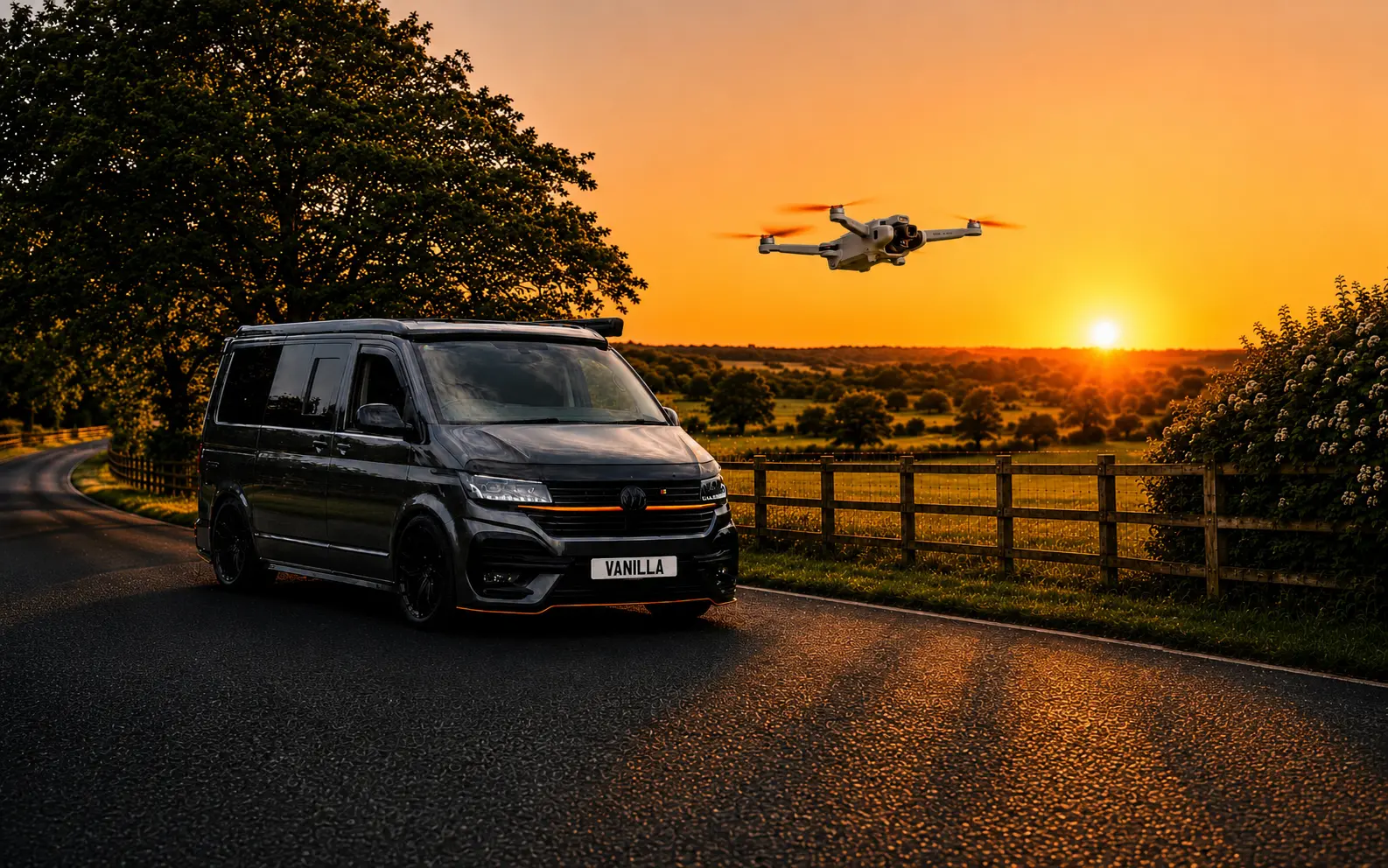
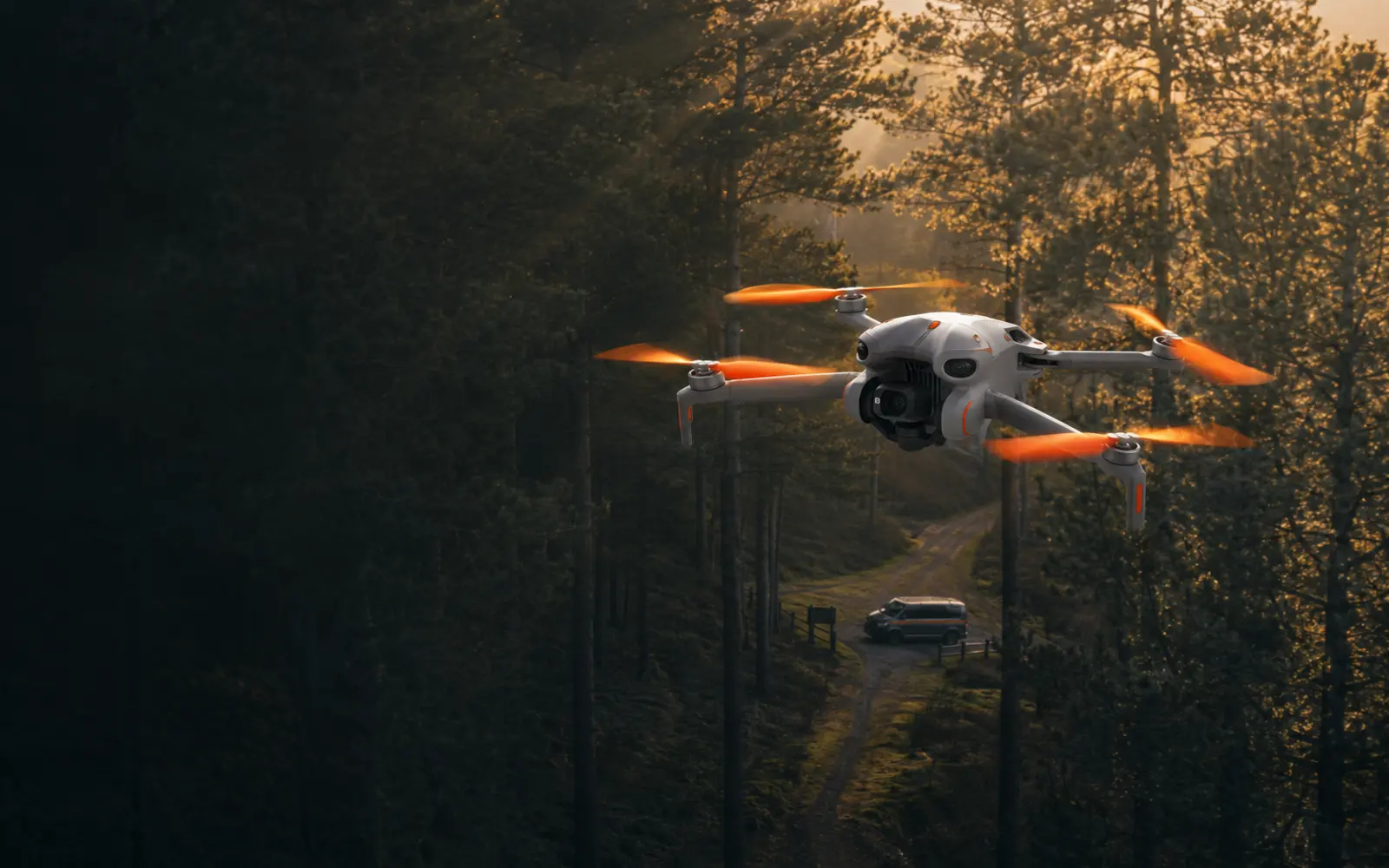
Vanilla the campervan and a Nix drone on an open road at sunset
NIX SYSTEMS ONLINENIX HQ // LOCAL CONDITIONSSKYROADTRAIL

ADVENTURES FROM STAFFORDSHIRE & BEYOND

SKY.ROAD.TRAIL.

One bloke. Several enthusiastically named machines. A world worth seeing differently.

See the highlights Enter 360°
Scroll to explore
THE MAN BEHIND THE MACHINES

WHO IS NIX?

A life shaped by engineering, family, hard work—and the freedom to explore.

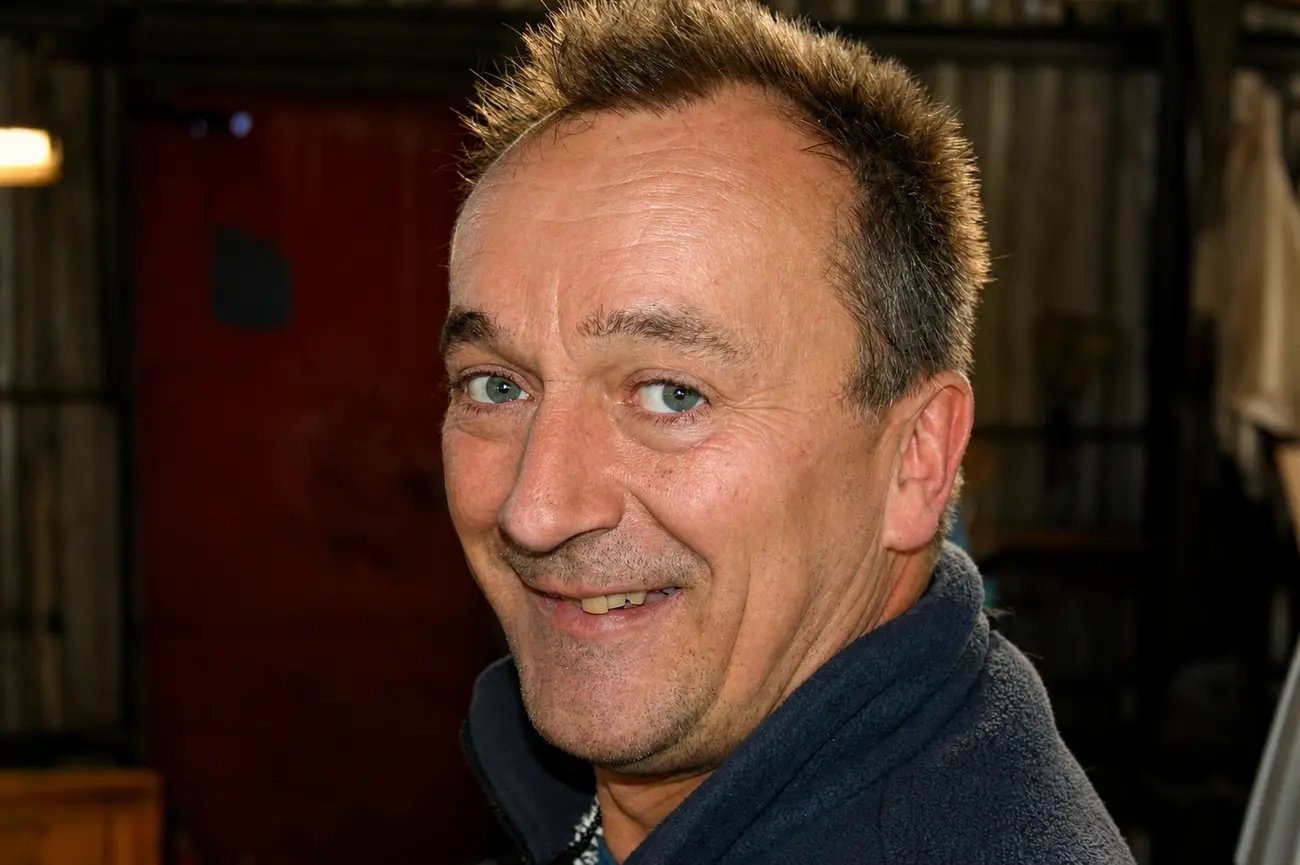
My name is Andrew John Nickolls, although most people know me simply as John—or Nix.

Stafford beginnings

I was born and raised around Stafford. My school years began at Berkswich Church of England Primary School before I moved on to Walton High School—also attended by Sir Jony Ive, the celebrated designer behind many of Apple’s most iconic products.

Those early years gave me an independent streak, a practical outlook and a fascination with how things work—qualities that have followed me throughout my life.

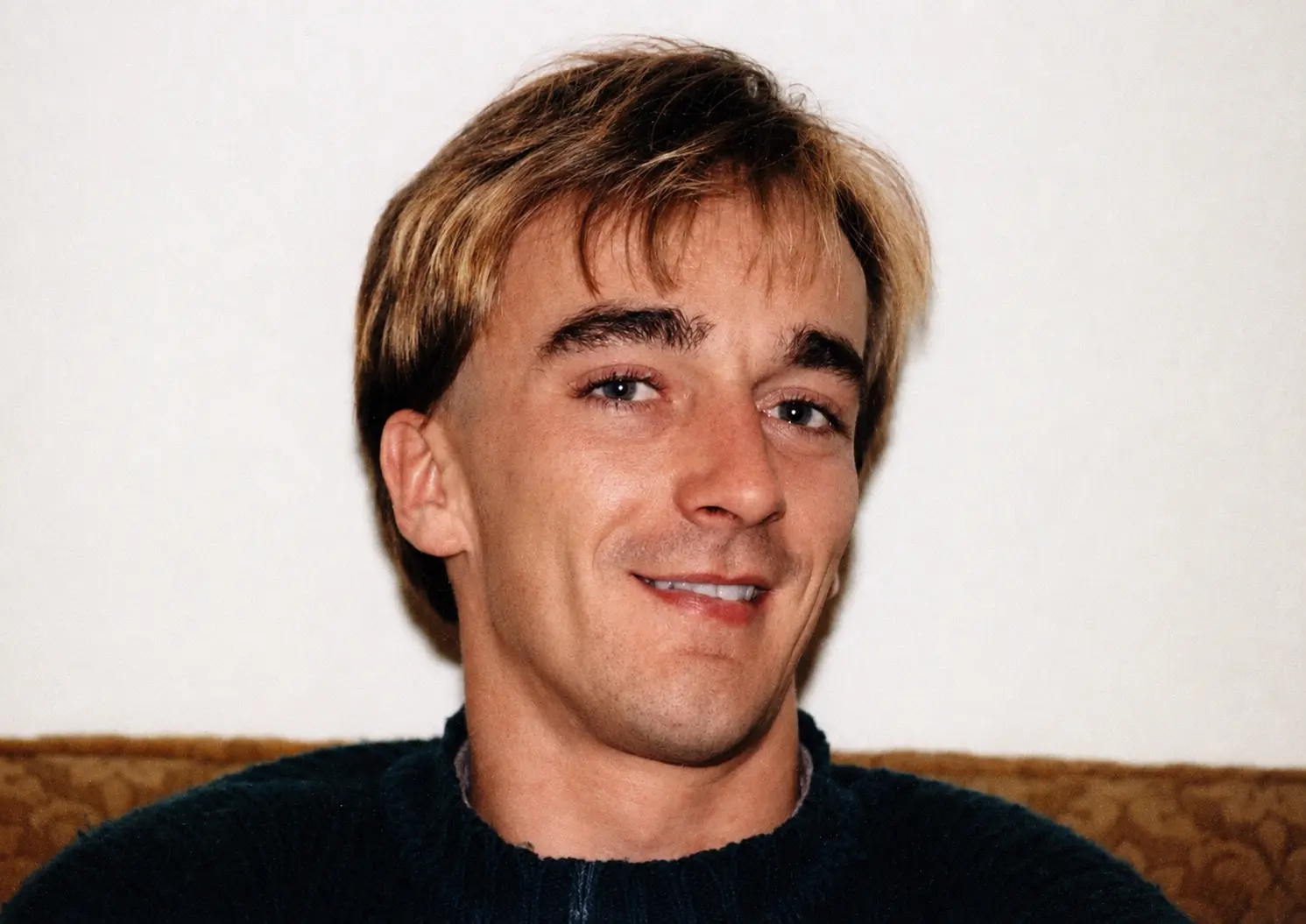
A restored portrait of John Nickolls as a young man
THE EARLY YEARSBefore Nix became NixStaffordshire

Engineering, service and the sea

In August 1979, at the age of sixteen, I joined the Royal Navy at HMS Raleigh. I went on to train as a Marine Engineering Mechanic at HMS Sultan in Gosport, beginning an extraordinary chapter that took me far beyond Stafford and introduced me to engineering, discipline, teamwork and life at sea.

My naval service included time aboard HMS Londonderry, HMS Antrim and HMS Wilton. I travelled to parts of the world I had previously only seen on maps, including spending Christmas 1982 in the Falkland Islands. The Royal Navy taught me how to remain calm under pressure, take responsibility and work as part of a close-knit team—lessons that have stayed with me ever since.

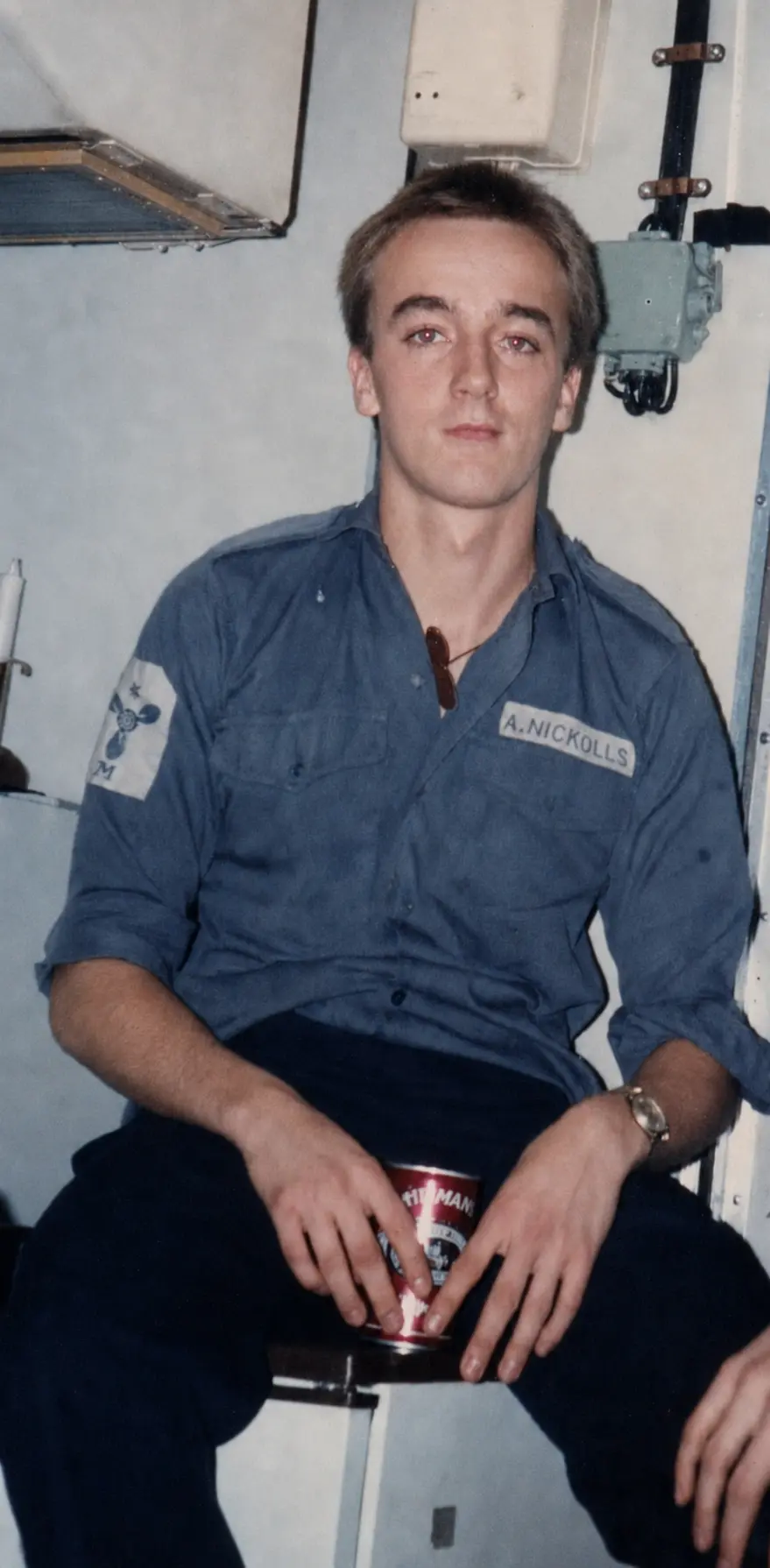
A young John Nickolls during his Royal Navy service
THE SERVICE YEARSA young Nix aboard ship
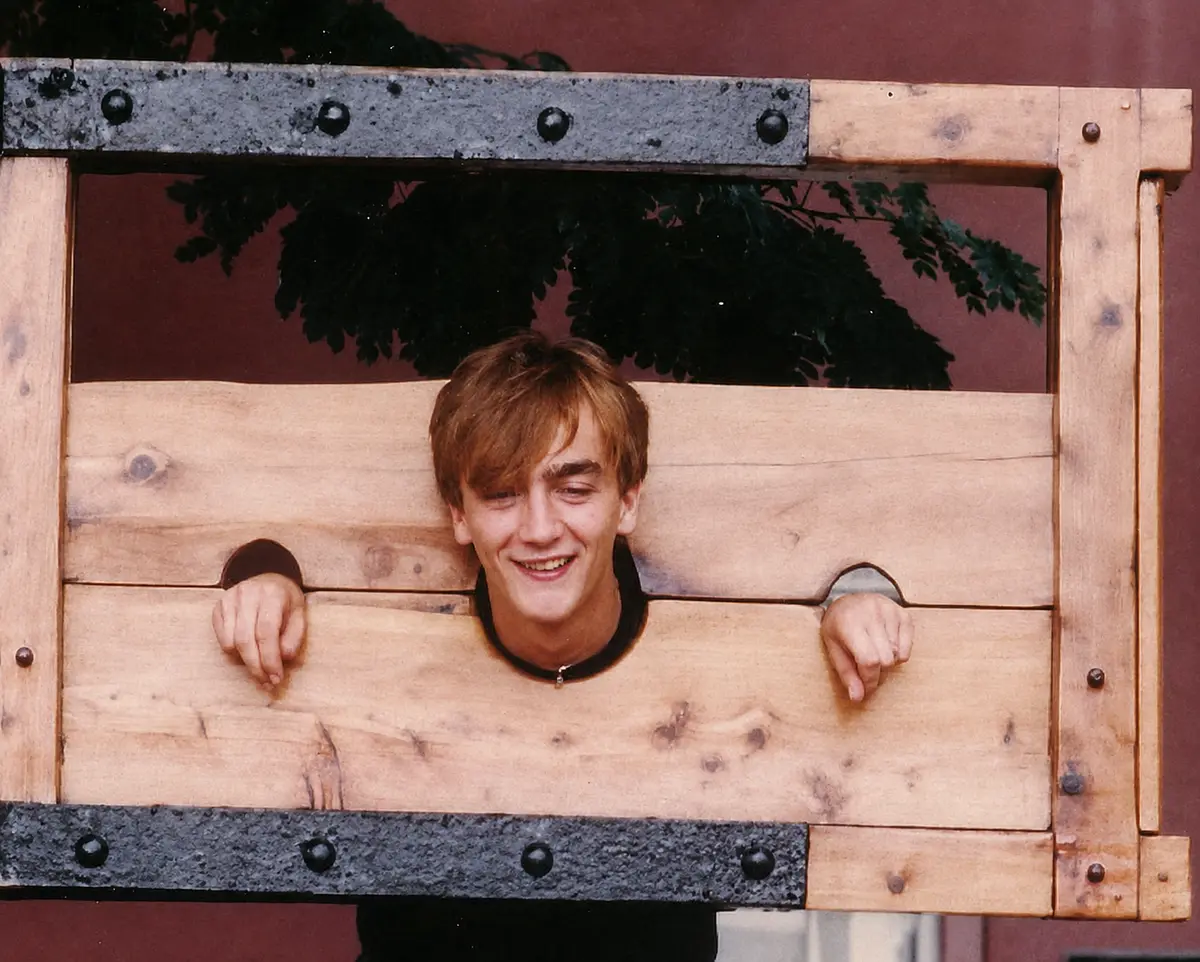
A light-hearted moment during John's Royal Navy years
A lighter moment
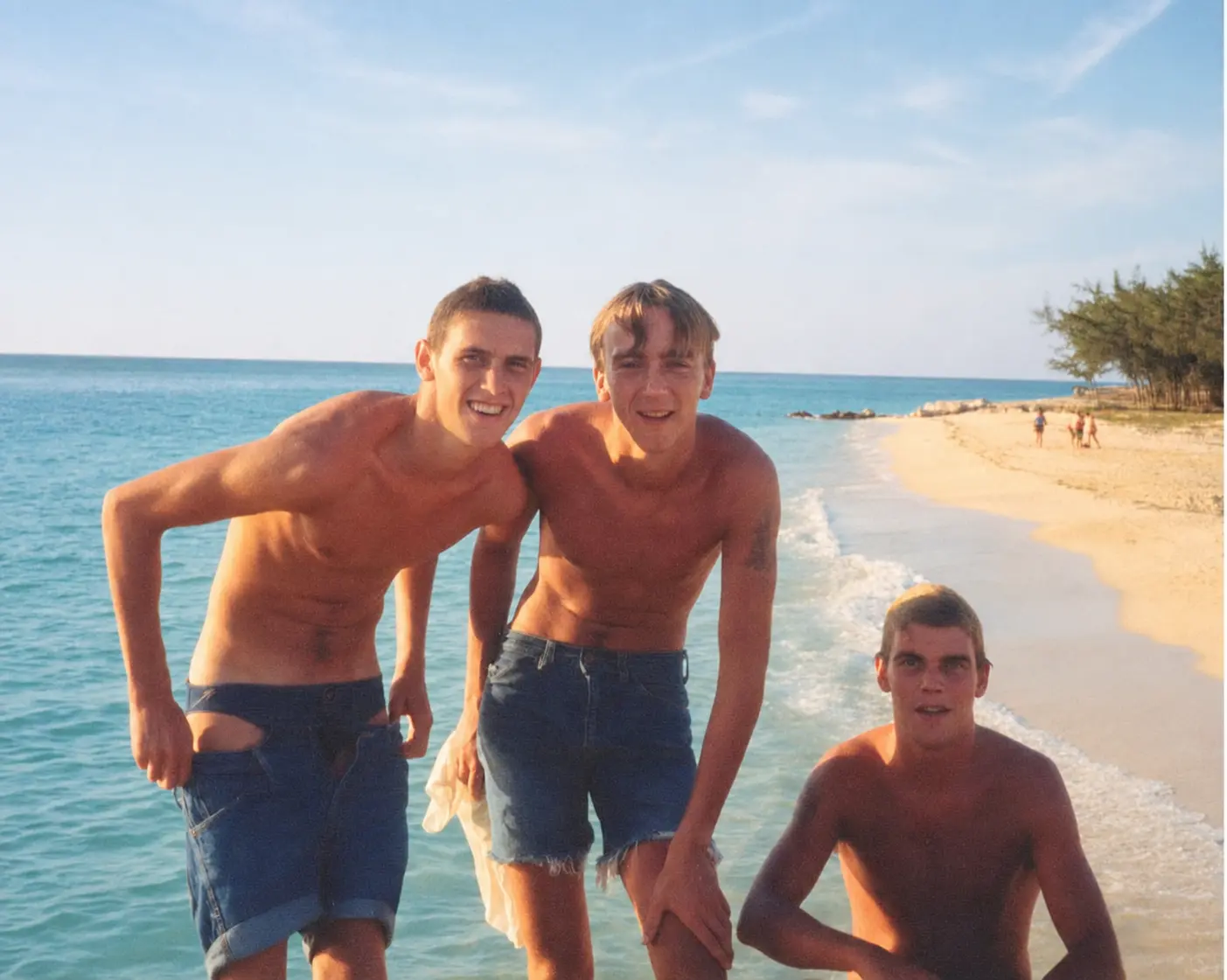
John and shipmates beside the sea during his Royal Navy years
John and shipmates
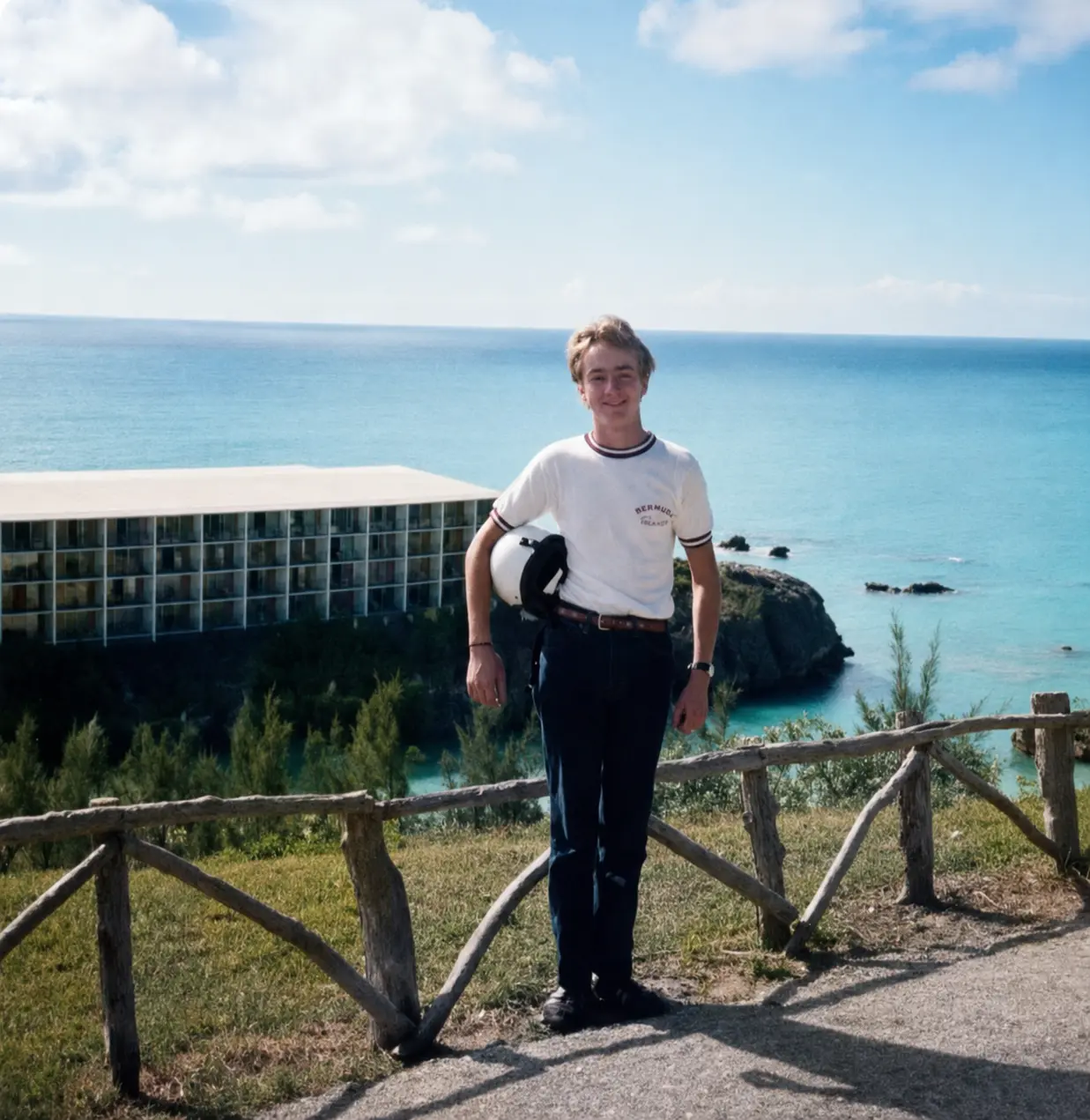
A young John overlooking the Atlantic coast in Bermuda during his Royal Navy years
BERMUDAA world away from Stafford
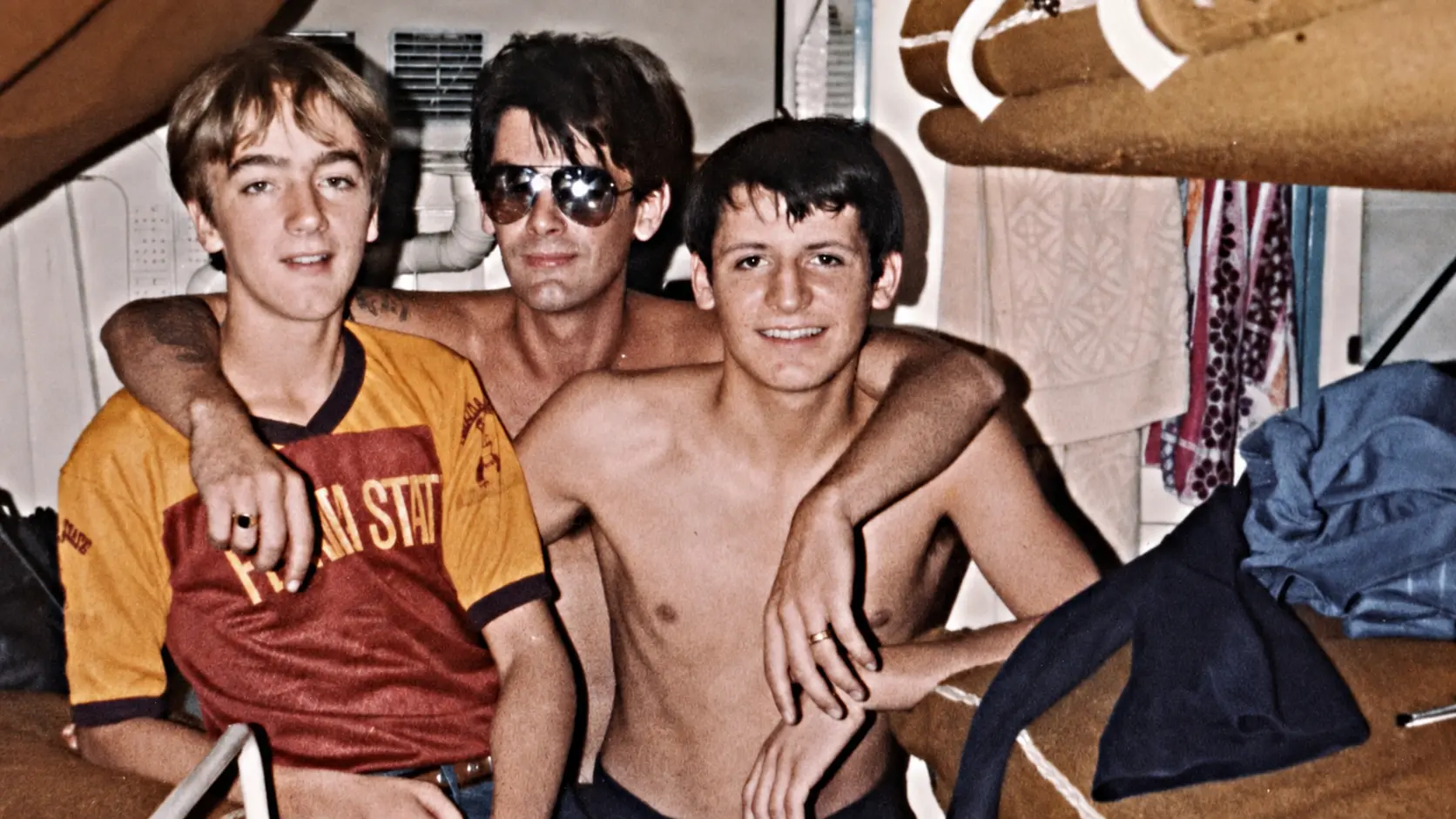
John and two HMS Londonderry shipmates together in their mess
HMS LONDONDERRYShipmates and mess life
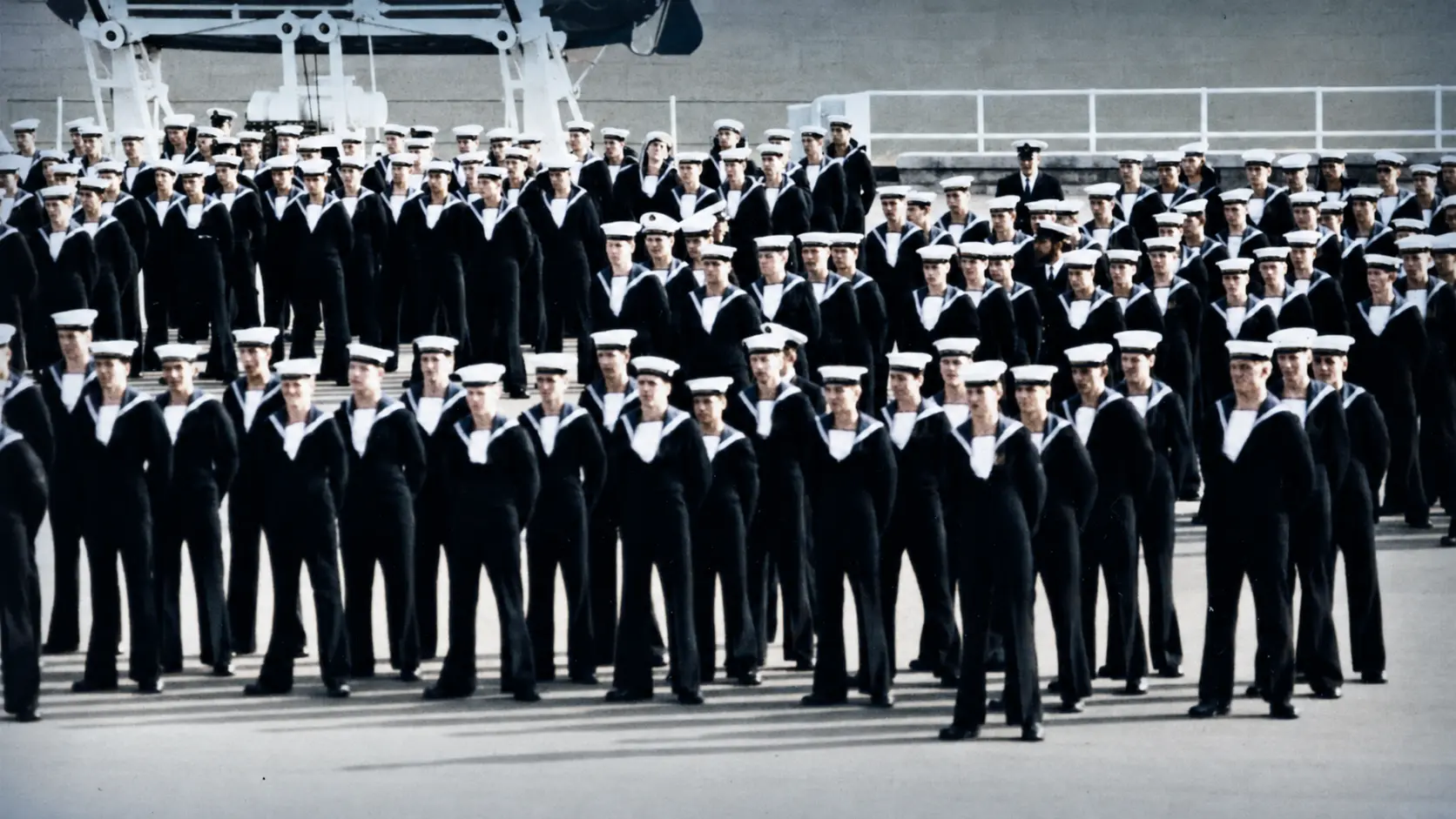
Royal Navy recruits assembled in formation at HMS Raleigh
HMS RALEIGH · 1979Where the Navy story began
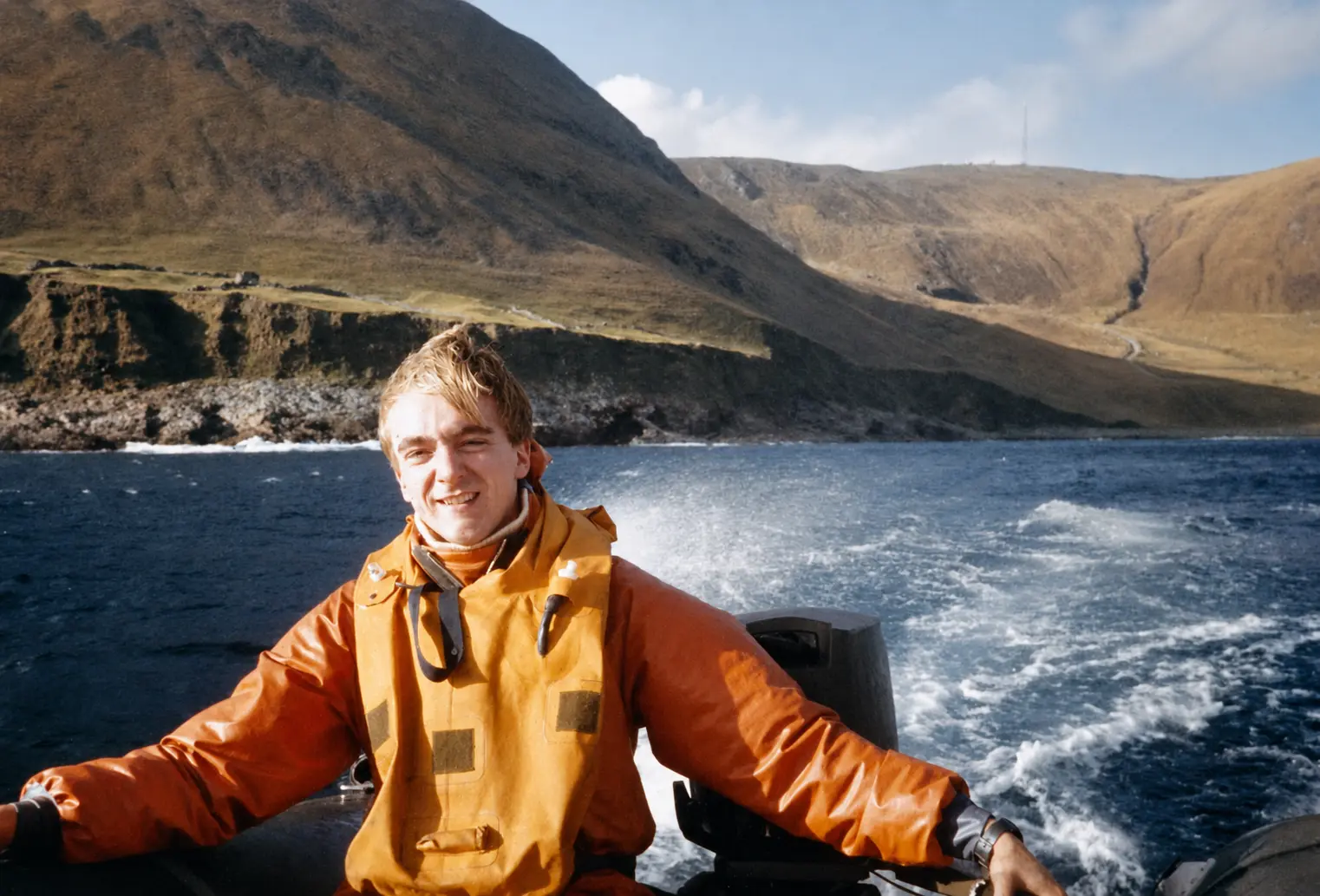
A young John aboard a boat in survival gear off St Kilda
ST KILDAOut where the Atlantic takes over

1979 ENGINEERING · SERVICE · SHIPMATES 1988

A century of family transport

After leaving the Navy, I returned to Staffordshire and joined my family’s haulage company, H. Nickolls & Son. Founded by my grandfather, Hubert Nickolls, in 1923, the business represented generations of family history, determination and pride.

I eventually became Managing Director, carrying the responsibility of leading a company whose name had been part of the local transport industry for a century. When that chapter finally came to an end in 2023, it marked not only the closure of a business but the conclusion of an important part of our family story.

Transport, however, has always been in my blood. I continued working on the road—first as a self-employed owner-driver and later as a professional Class 1 HGV driver. From general haulage to specialist railway and plant work, it has been a career built around experience, reliability and the ability to deal with whatever the road—or the working day—decides to throw at me.

Family and community

Away from work, family has always been at the centre of my life. I am a proud father of two grown-up children, and the experiences of family life—its happiness, responsibilities, challenges and occasional heartache—have shaped the person I am today.

John holding his newborn daughter Saffy in hospital
21 JUNE 2002Hello, Saffy
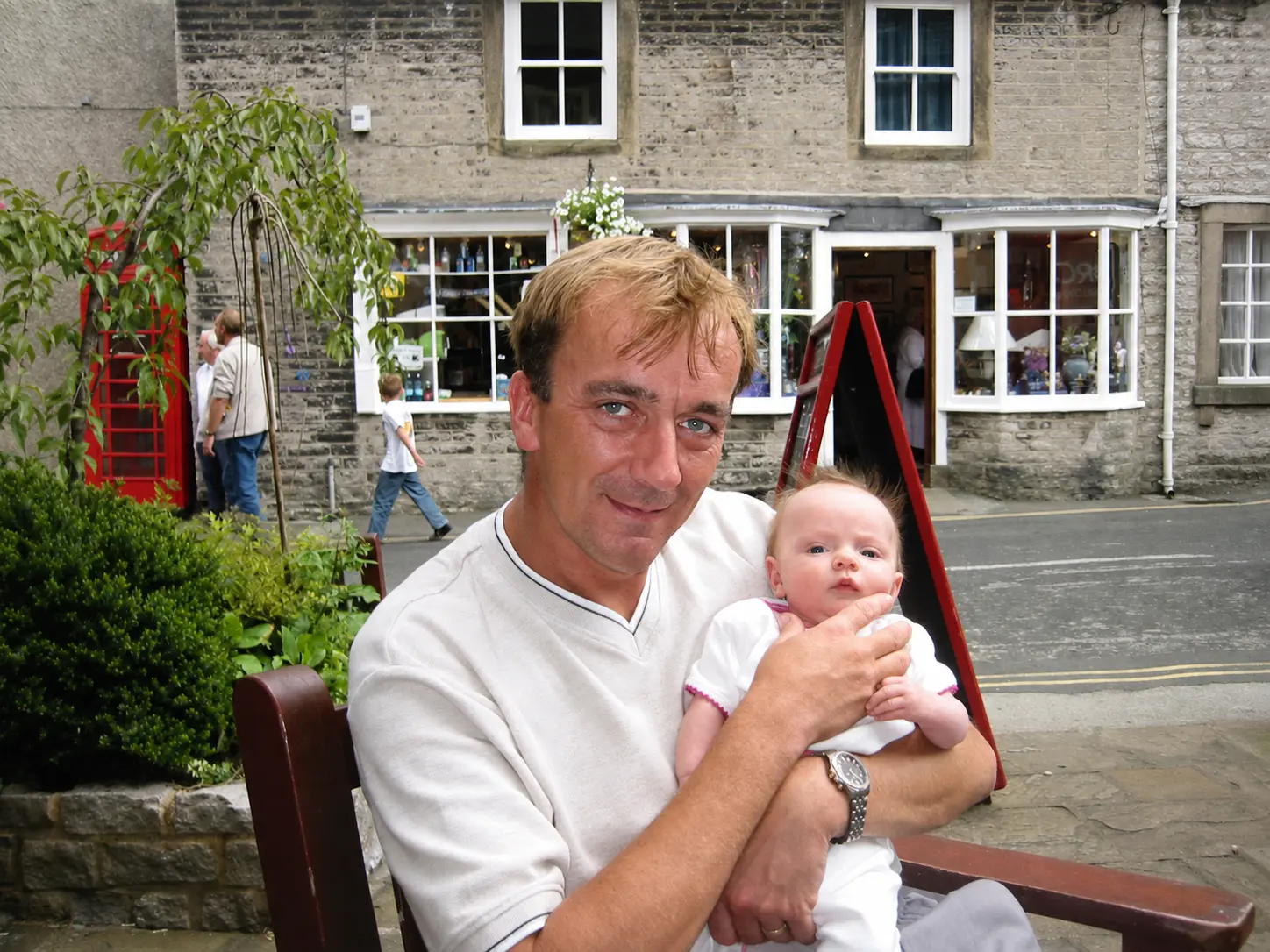
John holding baby Saffy during a family day in Castleton
CASTLETONThe adventure begins early
FAMILY

The chapter that changes everything.

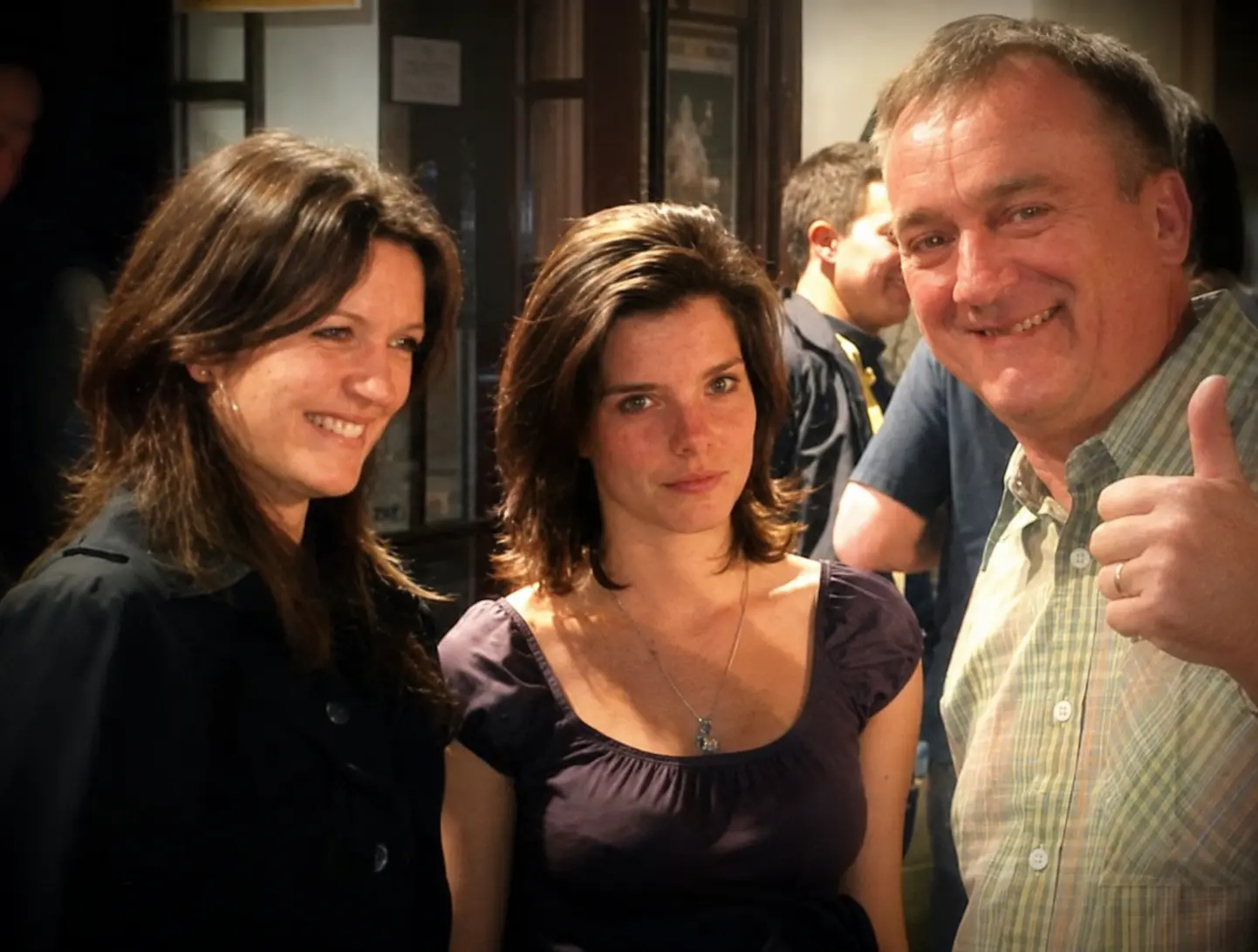
Community has also played an important part in my story. Through Stafford Round Table No. 176 and Stafford 41 Club, I have enjoyed lasting friendships, supported local charitable causes and had the privilege of serving in leadership roles. Those organisations embody something I believe strongly: life is richer when people come together, contribute and enjoy the journey.

STAFFORD ROUND TABLE No. 176FELLOWSHIP IN ACTIONFRIENDSHIP · COMMUNITY · SERVICE
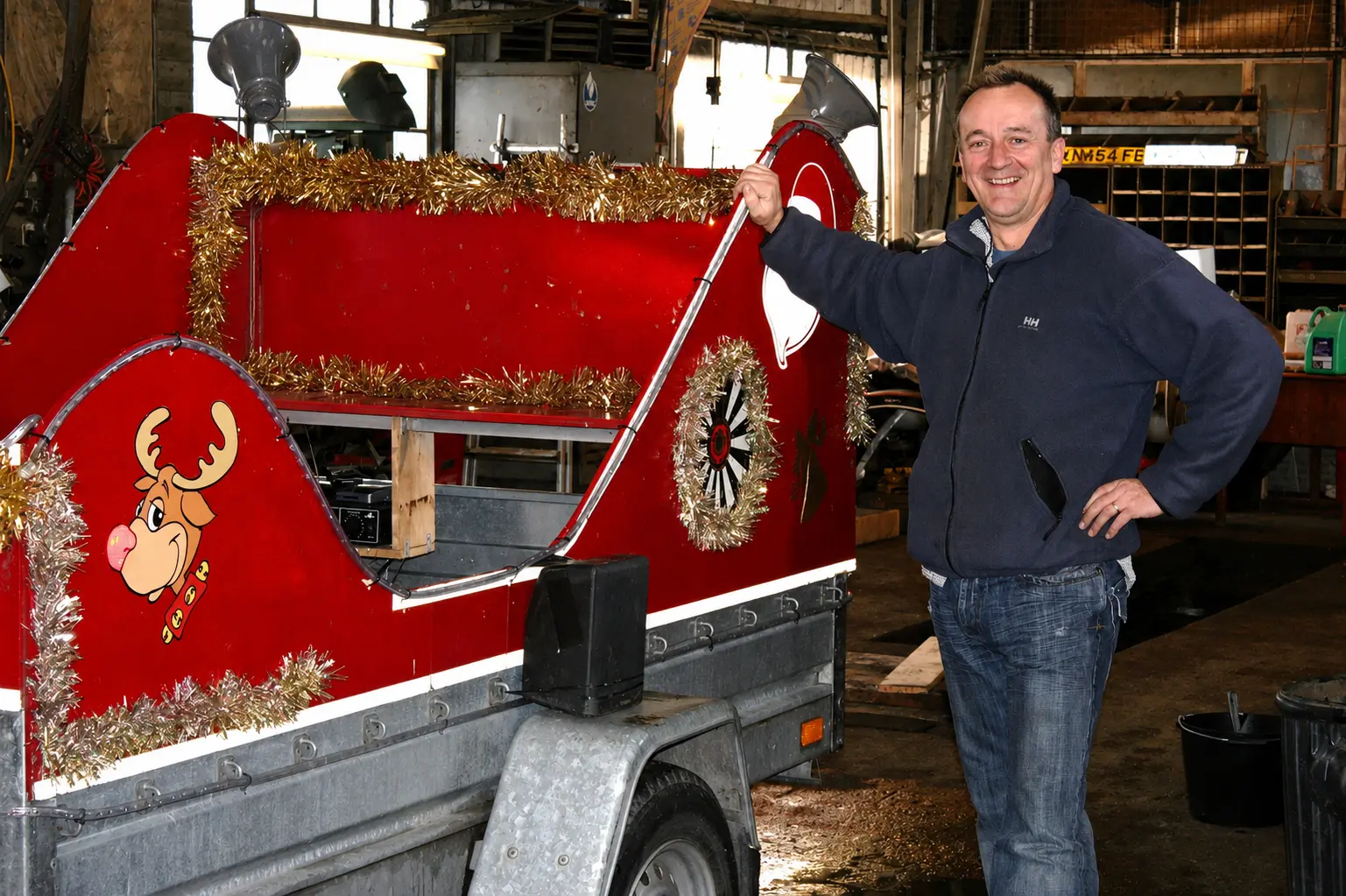
John beside the Stafford Round Table Christmas sleigh
Preparing the Christmas sleigh
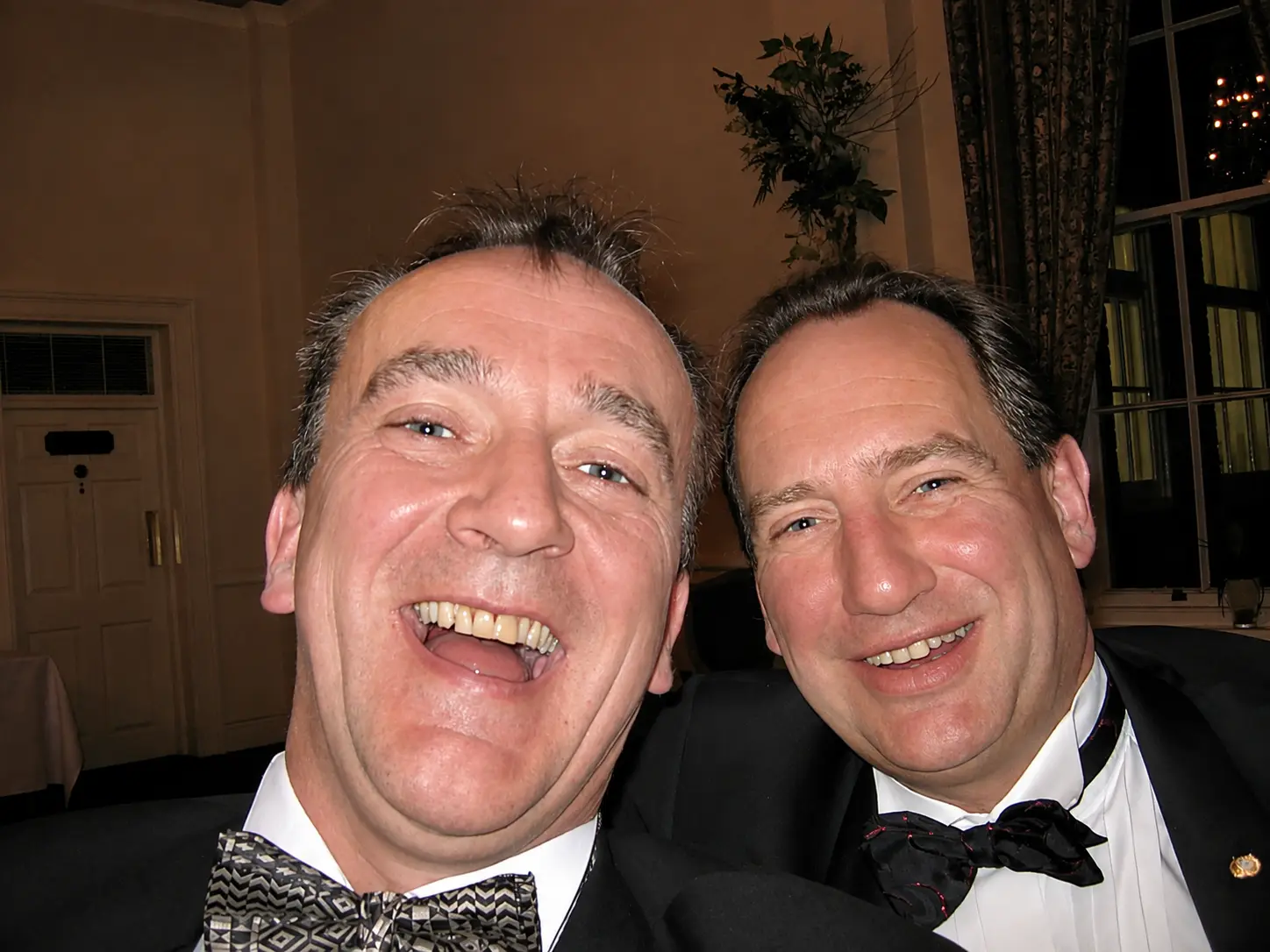
A cheerful black-tie moment during John's Round Table years
Black tie and friendship
A candid portrait from John's Round Table years
A familiar Table face
Friends together at a Round Table social event
Friends and countless memories
176

Doing good. Having fun. Building friendships that last.

STAFFORD

The next chapter

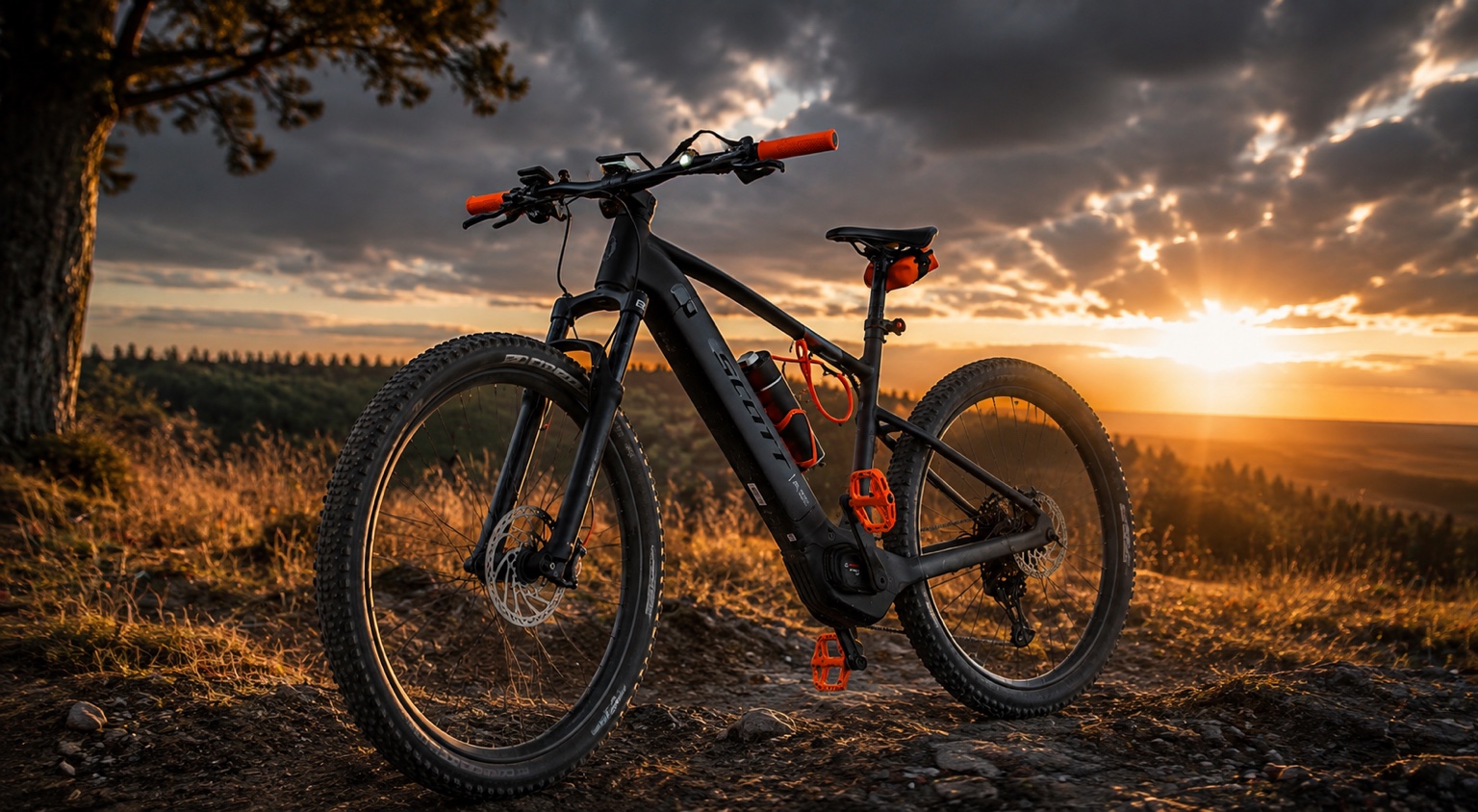
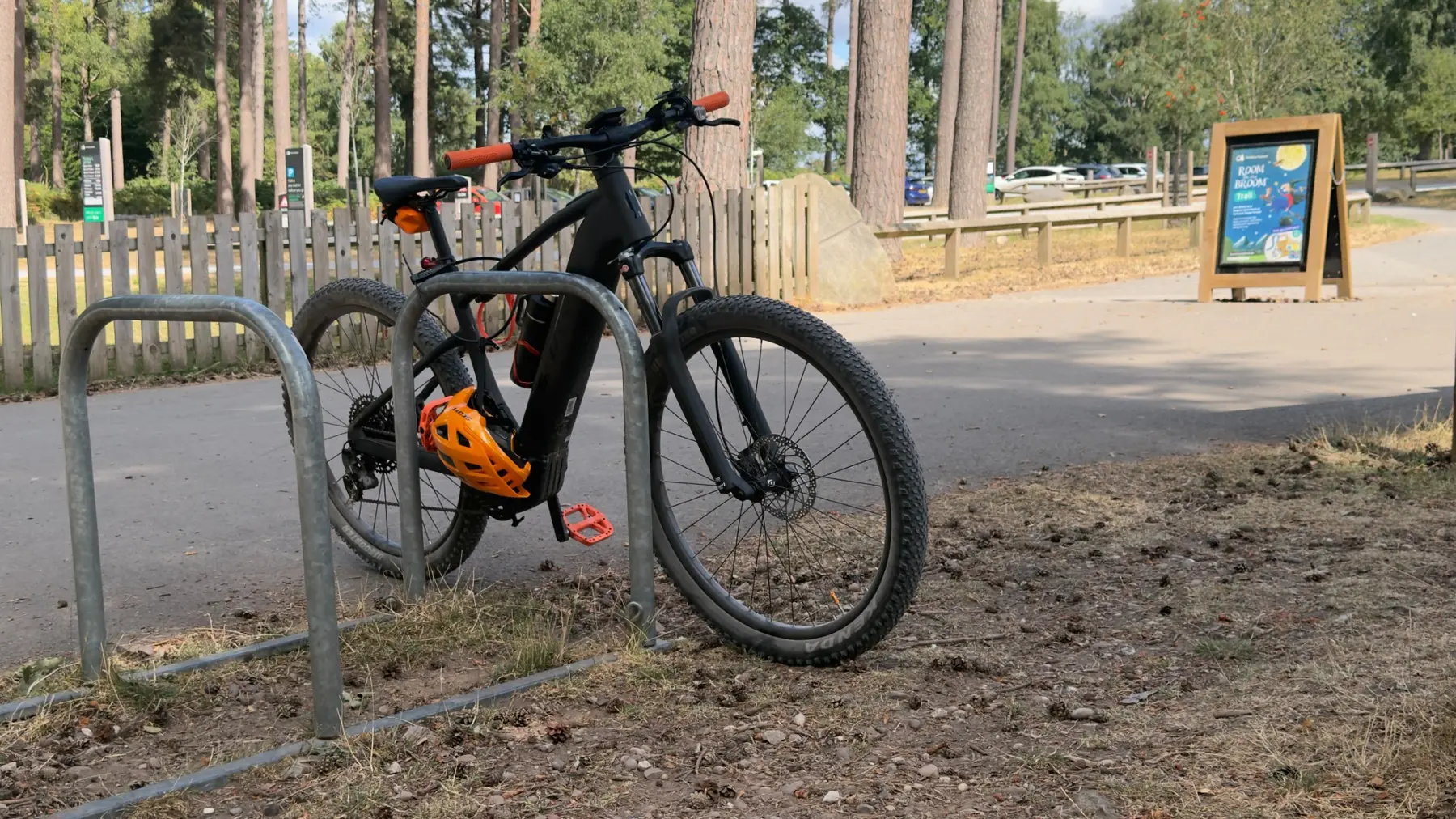
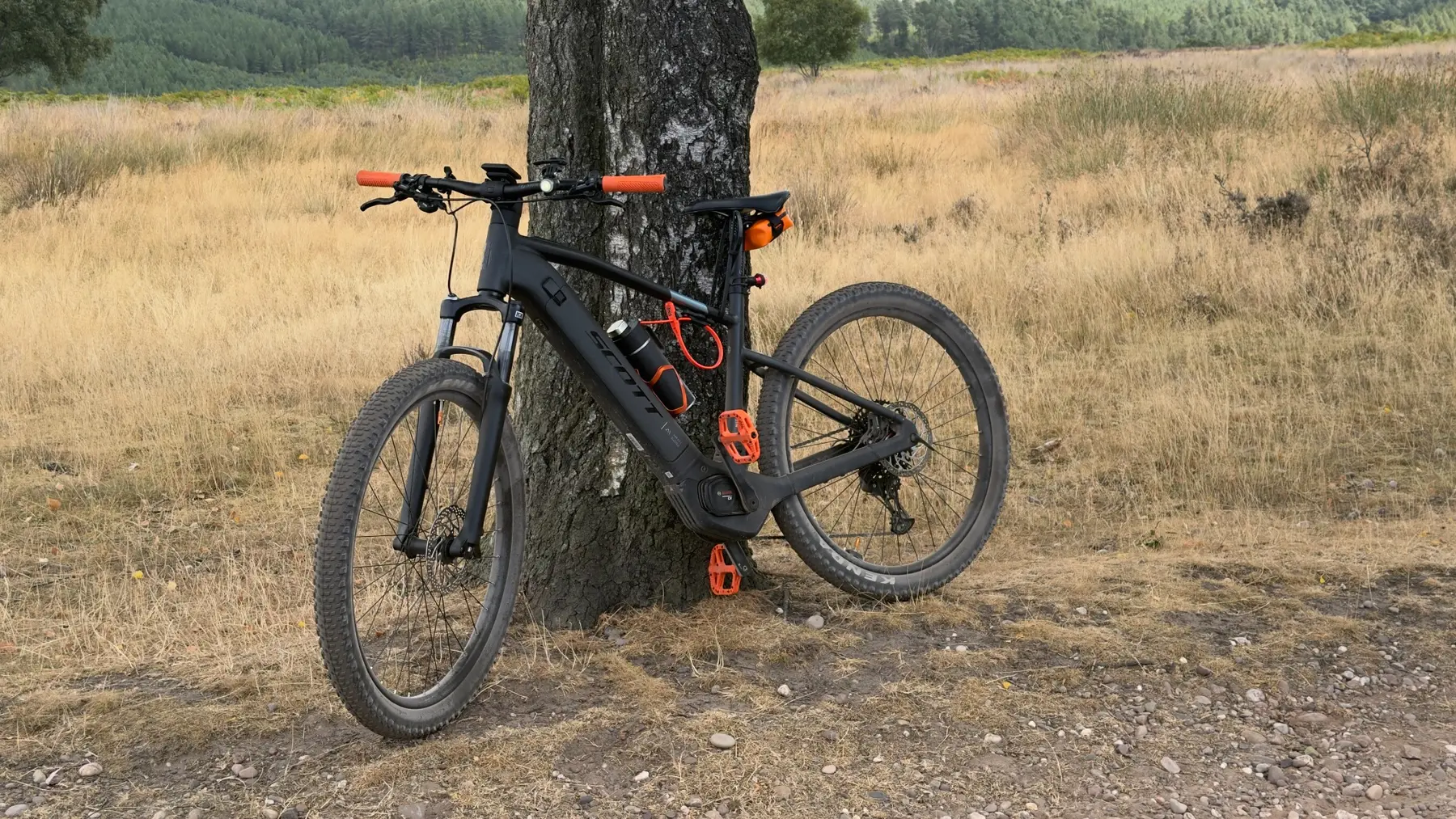
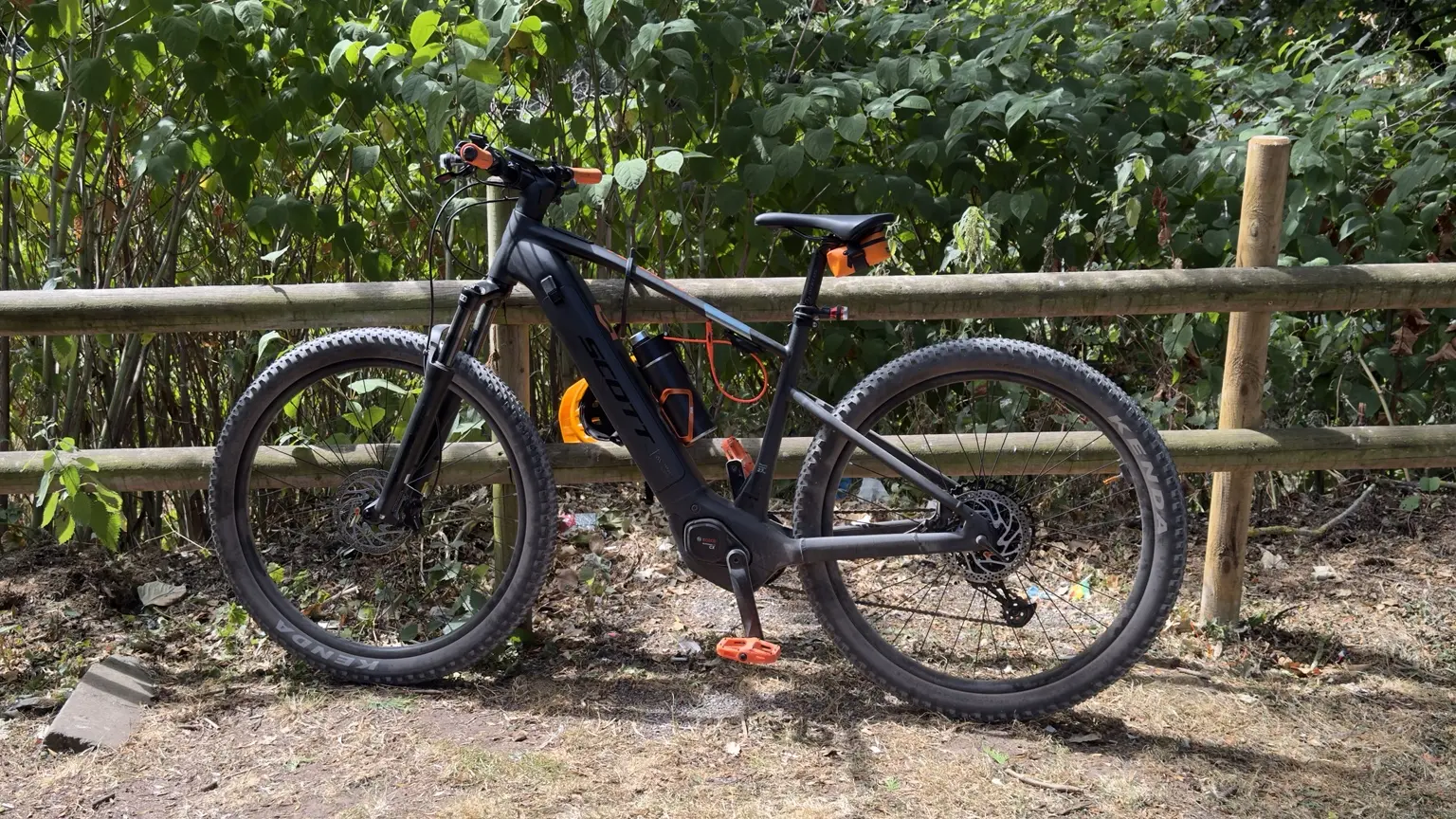
More recently, I have discovered new ways of looking at the world. Drone flying and photography have allowed me to see familiar places from completely different perspectives. Campervan adventures in Vanilla, my Volkswagen T6.1, have opened the road to memorable journeys across Britain and Europe. Meanwhile, Torque—my Scott electric mountain bike—has taken me onto woodland tracks, hidden trails and routes that would otherwise have remained unexplored.

NIX Drones brings all these parts of my life together. It is not simply about flying drones. It is about the sky above us, the roads that carry us forward and the trails that invite us to discover what lies around the next corner. It combines photography, technology, travel, engineering and a lifelong curiosity about the world.

I have spent much of my life working with engines, machines and transport. Now, I am using cameras, drones, wheels and a sense of adventure to tell the next part of the story.

There is still more to see, more to learn and more to capture.This is Nix. No limits. Just altitude.
Choose your route

THREE WAYS
TO GET OUT THERE.

Don’t read the whole website in one heroic sitting. Pick a world and follow what interests you.

Live from Staffordshire & beyond

THE SITE IS
OUT THERE.

Weather, light, routes, photographs, films and Torque’s latest miles—updated without turning the homepage into an airport departure board.

Latest Flickr photos

Fresh from the field.

Open Photos →
Looking through the forest canopy on Cannock Chase
NIX PHOTOGRAPHY ARCHIVE

THE JOURNEY,
ONE FRAME AT A TIME.

Large photographs from above, beside the van and along the trail—published directly from the road.

Open the gallery
The orange-propeller hangar

CLICK TO
DISCOVER.

Every aircraft has a name, a character and a job. Choose one—its story stays hidden until you do.

Open SKY · Flight Log
Long-form fleet files

Four aircraft.
Four complete stories.

Each dossier now opens independently using dependable browser-native controls. The full stories remain readable even if a slow connection is still waking up the interactive Hangar above.

01
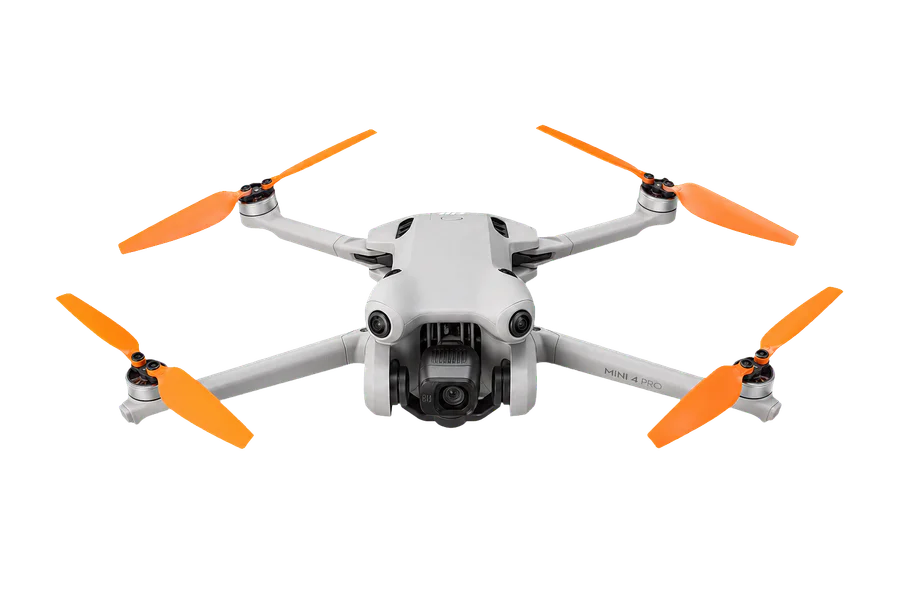
ZoomDJI Mini 4 Pro

Everyday flagship

1,576 words · 8 min
01 // DJI Mini 4 Pro

Zoom

The small aircraft that made everyday aerial storytelling properly practical.

Profile length
1,576 words
Reading time
8 minutes
Fleet role
Everyday flagship
01

The aircraft that goes everywhere

Zoom, my DJI Mini 4 Pro, is the everyday flagship of Nix Drones. That description sounds slightly contradictory: a flagship is traditionally the biggest and most imposing machine in the cabinet, while Zoom is deliberately small. Yet the title fits because a useful flagship is the aircraft that actually leads the work. Zoom is the drone most likely to be packed in Vanilla, carried to a viewpoint, taken on a trip or launched when an unexpected scene appears. It removes many of the excuses that can stand between seeing a picture and recording it.

That matters because aerial photography is not only about specifications. It is about opportunity, judgement and being prepared at the right moment. A large drone left safely at home has no camera in the sky. Zoom can travel without dominating the luggage and can be ready without turning a relaxed day out into a full production. It suits the real Nix Drones world: campervan travel, Cannock Chase, country roads, changing weather, quick stops and the discovery of places that were not necessarily on the morning plan.

02

Why Zoom earned the name

Every aircraft in the fleet needs more than a model number. The call sign gives it a personality and describes the way it contributes. Zoom suits the Mini 4 Pro because the little machine is about movement, immediacy and getting from packed to airborne with minimal theatre. The name feels fast without suggesting recklessness. It is not about charging around the sky; it is about closing the gap between an idea and a finished shot. See the composition, check the conditions, prepare properly, and Zoom can be working while the light is still doing what first caught my eye.

The name also fits the visual language of the fleet. Orange propellers turn a standard grey aircraft into an unmistakable Nix machine, while the call sign makes it memorable to people who may never care about a product code. Saying that Zoom filmed a landscape immediately feels more personal than saying the Mini 4 Pro was used. That personality is part of the purpose of this site. Nix Drones is a living record of my interests and journeys, not a catalogue written by a committee with matching lanyards.

03

A serious camera in a small airframe

The great attraction of Zoom is that portability does not require treating the camera as a novelty. Its 1/1.3-inch sensor and 48-megapixel stills capability give it enough photographic substance for landscapes, travel records and carefully edited sequences. The camera can hold detail in a broad scene, cope intelligently with changing light and produce footage that sits comfortably beside material from my DJI Action 4, phone and other cameras. The important point is not to chant numbers like an auctioneer; it is that the files provide room to make considered choices in the edit.

Vertical shooting is another practical advantage. Some scenes are intended for a conventional widescreen film, while others need to work naturally on a phone. Being able to compose vertically in the air is better than treating a landscape frame like a cake and slicing most of it away later. It encourages me to decide where a film will live before pressing record. Zoom can produce the cinematic establishing shot for a longer Nix Drones story and then capture a vertical sequence that introduces the same adventure on social media.

04

How it feels in the air

Zoom feels agile, but the best results come from resisting the temptation to display that agility in every clip. My preferred movements are controlled reveals, patient orbits, gentle climbs and tracking shots in which the landscape remains the subject. The aircraft can change position quickly when it needs to, yet the camera looks strongest when the inputs are calm. A smooth flight path gives viewers time to understand the road, trail, forest or coastline rather than merely proving that the pilot owns two functioning thumbs.

Its obstacle-awareness system adds confidence, not permission to stop thinking. Sensors are useful assistants, particularly when positioning for a shot, but they do not replace visual line of sight, a clear launch plan or awareness of branches, wires, people and changing conditions. I still want to know where the aircraft is, what lies beyond it and where it will go if the shot is abandoned. The cleverness of a modern drone is most valuable when it supports good fieldcraft rather than disguising poor preparation.

05

Zoom and Vanilla

Vanilla, my VW T6.1 campervan, is the natural ground station for Zoom. The aircraft, controller, batteries and filters can travel securely without consuming the van, and the electrical system provides a dependable place to recharge away from a hook-up. More importantly, Vanilla creates a calm base from which to check the weather, look at a map, wait for better light and review material after a flight. That turns a quick launch into part of a repeatable workflow instead of a scramble beside an open boot.

Campervan travel also explains why size matters so much. Space is always shared with food, clothing, camping equipment, cameras and whatever the next day might require. Zoom earns its place because the ratio of capability to packed volume is excellent. It can accompany a journey without forcing that journey to be about drone flying. If conditions are wrong, it stays packed and the day continues. If the clouds open or a road leads to a remarkable view, the aerial option is there. That is freedom in a much more useful form than simply flying farther.

06

The everyday storytelling role

A good travel film needs geography. Ground cameras show faces, details and movement, but an aerial view explains how those pieces relate to one another. Zoom can establish Vanilla beside a landscape, reveal the route beyond a campsite, follow the shape of a ridge or show how a forest trail fits into the wider Chase. Those shots give the next close-up a sense of place. The drone is not the whole story; it is the sentence that tells the viewer where the story is happening.

Because Zoom is easy to carry, it is also the aircraft most likely to record the unplanned chapter. That may be a brief stop during a longer drive, a quiet evening after camp is set up or a familiar local place transformed by frost, mist or low sun. The discipline is to capture enough rather than everything. One strong establishing movement and a second angle with a clear purpose will usually survive an edit better than twenty similar passes. Zoom makes abundance easy, so restraint becomes part of using it well.

07

Planning, batteries and the unglamorous essentials

The small airframe reduces fuss, but it does not remove the need for a proper pre-flight routine. I check the airspace, local restrictions, weather, wind, people, wildlife, roads and the suitability of the take-off area. I think about the return route before launch and keep battery decisions conservative. Published maximum flight times are useful for comparison, not a challenge to land with the display blinking like a fruit machine. A sensible reserve protects the aircraft, the footage and everybody’s afternoon.

Batteries are managed as part of the wider Nix power system. Vanilla can support charging in the field, while the Jackery units extend the options when I am camping away from mains power. Even with that capacity, the aim is not endless flying. Charging, labelling, checking and rotating batteries simply mean the aircraft is ready when a worthwhile opportunity arrives. Memory cards, controller charge, clean lenses and current software are equally ordinary and equally important. Cinematic footage often begins with very boring competence.

08

Knowing when Zoom is not the answer

Zoom is the default choice, but default must never become automatic. Nemesis may be better when the larger one-inch sensor and heavier, more planted airframe suit a deliberate landscape session. Sneaker may be the sensible option for close action, guarded operation and following Torque. Twitch may come out when the purpose is history, character or simply enjoying the roots of the fleet. Choosing well means starting with the shot and the environment, then selecting the aircraft—not launching a favourite and inventing a reason afterwards.

The light weight that makes Zoom convenient also means respecting wind and exposed terrain. A forecast is only the beginning; conditions at the launch point and at height can differ. If the aircraft is working too hard, the return journey will consume more energy than expected. If the surroundings are busy or the location does not offer a safe, legal and considerate flight, the camera stays on the ground. Missing one aerial clip is cheaper than turning a hobby into a headline nobody wanted.

09

Why it leads the fleet

Zoom leads because it brings together the qualities I value most: a capable camera, modest size, flexible framing, intelligent assistance and a willingness to come along for the day. It supports the traditional virtues of planning and judgement while taking advantage of modern technology that makes aerial photography more accessible. That mixture sums up Nix Drones. I like equipment with character, but the equipment must still earn its keep by helping me bring home something worth watching.

Years from now there will be smaller drones with better sensors and new forms of automation. Zoom will eventually become an older aircraft, just as Nemesis and Twitch already represent earlier chapters. Its importance will not be measured only by how its specifications compare with whatever comes next. It will be measured by the trips it documented, the views it made possible and the times it was present when a familiar place suddenly looked extraordinary. For the current fleet, that record is still being written every time the little orange propellers begin to turn.

02
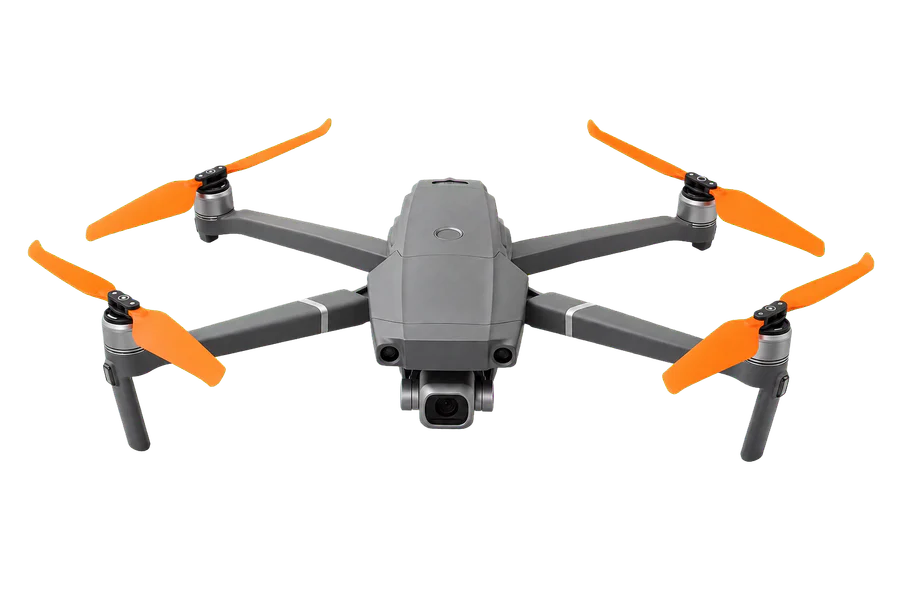
NemesisDJI Mavic 2 Pro

Cinematic veteran

1,565 words · 8 min
02 // DJI Mavic 2 Pro

Nemesis

The Hasselblad-equipped veteran reserved for landscapes that deserve ceremony.

Profile length
1,565 words
Reading time
8 minutes
Fleet role
Cinematic veteran
01

The flagship with authority

Nemesis is my DJI Mavic 2 Pro and the cinematic veteran of Nix Drones. It comes from an era when a folding aircraft with a one-inch sensor felt like a remarkable compression of professional ambition into a portable machine. It is heavier and less casual than Zoom, but that is part of its character. Taking Nemesis out signals that the flight itself is going to be a considered part of the day. The location has been chosen, the weather has been watched and the hoped-for picture has enough importance to justify bringing the larger aircraft.

A veteran does not remain in a working fleet through sentiment alone. Nemesis still earns flights because its combination of camera, airframe and calm movement produces footage with a particular weight. It looks and feels planted. Broad landscapes suit it, especially when the image needs gradual movement rather than a quick social-media flourish. The aircraft asks for a little more effort before launch, and that effort can sharpen the plan. Instead of gathering everything, I am more likely to decide exactly which reveal, orbit or high establishing shot the sequence genuinely needs.

02

How Nemesis got its call sign

The name Nemesis gives the Mavic 2 Pro the presence its design deserves. It sounds formidable, slightly theatrical and properly memorable—ideal for the aircraft that once stood at the top of my personal aerial line-up. The call sign is not meant to suggest aggression in the air. My flying is deliberately controlled and considerate. The drama belongs to the machine’s identity and to the finished image, not to the way it is operated around people, property or wildlife.

Orange propellers complete the transformation from a standard DJI product into a Nix Drones aircraft. Against the darker body they provide the visual signature shared across the hangar. The combination of a strong call sign and those orange details makes Nemesis feel like a character rather than an anonymous tool. That may sound whimsical, but it strengthens the personal connection with the equipment and makes the fleet easier to write about. Machines with names gather stories; machines described only by serial numbers tend to gather dust.

03

The one-inch Hasselblad advantage

At the heart of Nemesis is the one-inch, 20-megapixel Hasselblad camera. The attraction is not merely a larger number on a specification sheet. A larger sensor can give a scene a more confident tonal foundation, particularly when light and shadow share the same landscape. Low sun across fields, a bright horizon beyond darker woodland or the final colour of an evening can all benefit from files that tolerate careful grading. It gives me room to preserve atmosphere instead of flattening every image into a bright, sharp postcard.

The Hasselblad connection also suits the aircraft’s deliberate role. Colour should support the memory of a place, not make Staffordshire look as though somebody spilled radioactive orange squash over it. I prefer a controlled edit in which greens, stone, road and sky remain believable while the warmth of a good sunrise or sunset is allowed to speak. Nemesis encourages that patient approach. The camera can reward good exposure and considered movement, but it will also reveal lazy decisions. A serious tool is helpful partly because it demands that the operator behaves seriously.

04

A measured way of flying

Nemesis feels at its best during slow, confident moves. A gradual climb can reveal the scale of a valley; a sideways track can separate layers in a landscape; a patient orbit can show how Vanilla sits within a campsite or viewpoint. The heavier airframe has a sense of inertia that can make footage appear composed rather than nervous. I still tune the movement through gentle stick inputs and leave enough time at the beginning and end of a clip for the edit to breathe.

This is not the machine I choose for darting through a sequence simply because it can. Speed is sometimes useful for repositioning, but the filmed movement should match the subject. Ancient woodland, open country, water and architecture rarely need frantic camera work. The audience must have time to notice the relationship between foreground and distance. Nemesis is good at that stately work. It can make a location feel important without resorting to exaggerated effects, provided the pilot resists the urge to show off every capability in a single battery.

05

The landscape specialist

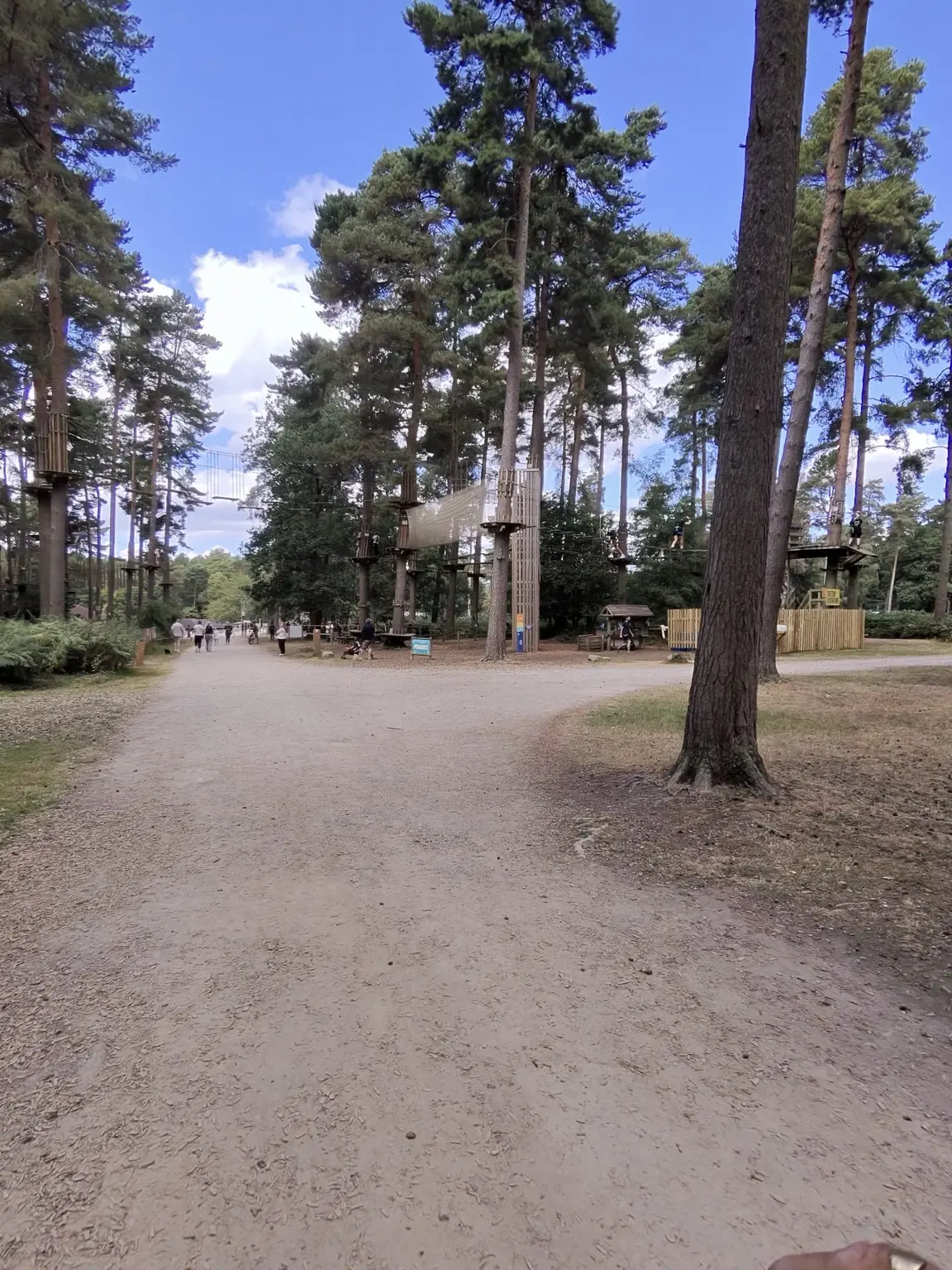
Wide landscapes are the reason Nemesis remains in the active story. From the air, familiar country becomes a pattern of hedges, tracks, fields and changing elevation. The aircraft can establish the route through a place and then hold a frame long enough for the viewer to read it. At Cannock Chase, for example, height reveals the boundary between dense forest, open ground and the routes taken by walkers and riders. On a longer trip, it can show how a road or campsite belongs to the coast, hills or surrounding town.

The best landscape flight begins on the ground. I look for a clear subject rather than assuming that altitude will create one. A bend in a road, a line of trees, a patch of light or Vanilla positioned with the surroundings can provide the visual anchor. I then decide what movement reveals that relationship. Climbing higher is not automatically better. Sometimes the strongest image is low enough to retain texture and depth. Nemesis earns its title when the camera is used to interpret geography rather than merely look down upon it.

06

Golden hour and patient timing

Nemesis is particularly rewarding when the light is directional. Early and late in the day, shadows describe the shape of land and buildings, while warm highlights provide separation that midday light often lacks. Those conditions can last only briefly, so preparation matters. Batteries, controller, memory card, filters and launch position need to be sorted before the useful light arrives. The aircraft should not be doing a firmware update while the best sunset of the month quietly packs its bags.

Patience is equally important when the forecast looks promising but the scene has not yet come together. Vanilla provides shelter, power and a brew while I wait. A gap in cloud may illuminate the subject for a few minutes, or the wind may settle enough for a safe flight. If it does not happen, the right decision is still to remain grounded. Nemesis is a deliberate aircraft, and accepting a no-flight day is part of using it properly. The landscape will still be there; the drone deserves the same courtesy.

07

Planning for the larger aircraft

At 907 grams, Nemesis occupies a different practical category from a sub-249 g aircraft. That changes how I think about the location, separation, launch area and the people who may enter the scene. Regulations and airspace requirements must be checked for the flight as it will actually be conducted, not remembered from something read several years ago. FPV UK membership is part of my wider responsible approach, but membership never replaces the pilot’s duty to understand the current rules and the specific environment.

The physical preparation is more substantial too. Nemesis needs secure transport, charged batteries and room for the controller and supporting equipment. The battery reserve is treated conservatively, with wind and the return leg considered before flying outward. A larger aircraft can be easier for other people to notice, so courtesy matters. I would rather explain calmly what I am doing, wait for a clear opportunity or move to a better launch point than force a flight that creates concern. Good relations on the ground are part of good aerial photography.

08

Nemesis beside the newer fleet

Zoom is easier to carry, quicker to deploy and equipped with newer assistance. Sneaker can obtain close-following action that would not suit Nemesis. Those comparisons do not make the veteran redundant; they clarify its specialist role. A fleet becomes useful when its members are different. If every aircraft is chosen for the same mission, most of them are merely expensive shelf decorations. Nemesis goes out when sensor character, stability and a deliberate landscape workflow are more valuable than minimum size.

Age can even improve the way a tool is used. The excitement of novelty has passed, so the decision to launch is less likely to be driven by the desire to test a feature. I know what Nemesis is for. I know the kind of movement I want and the amount of footage required. Familiar controls and a settled editing workflow reduce distraction. Modern equipment deserves appreciation, but there is also something traditional and satisfying about using a proven machine well rather than replacing it simply because a new box appeared in a shop window.

09

The legacy still being made

Nemesis represents an important stage in the Nix Drones story: the point at which a portable drone camera could be treated as a serious landscape tool. Its footage has the potential to connect trips across different years because the underlying approach remains consistent—plan carefully, move smoothly, expose for the scene and edit with restraint. The aircraft carries history without being confined to a museum. Every well-chosen new flight adds another chapter to that record.

Eventually, technology will move far enough that Nemesis becomes a heritage aircraft like Twitch. That day does not need to be hurried. The measure of useful equipment is not whether it wins a launch-day comparison but whether it continues to produce results that matter to its owner. Nemesis still does. When the light stretches across a broad landscape and the planned shot asks for patience, authority and the character of that one-inch Hasselblad camera, the veteran remains a very easy aircraft to respect—and a very difficult one to leave behind.

03
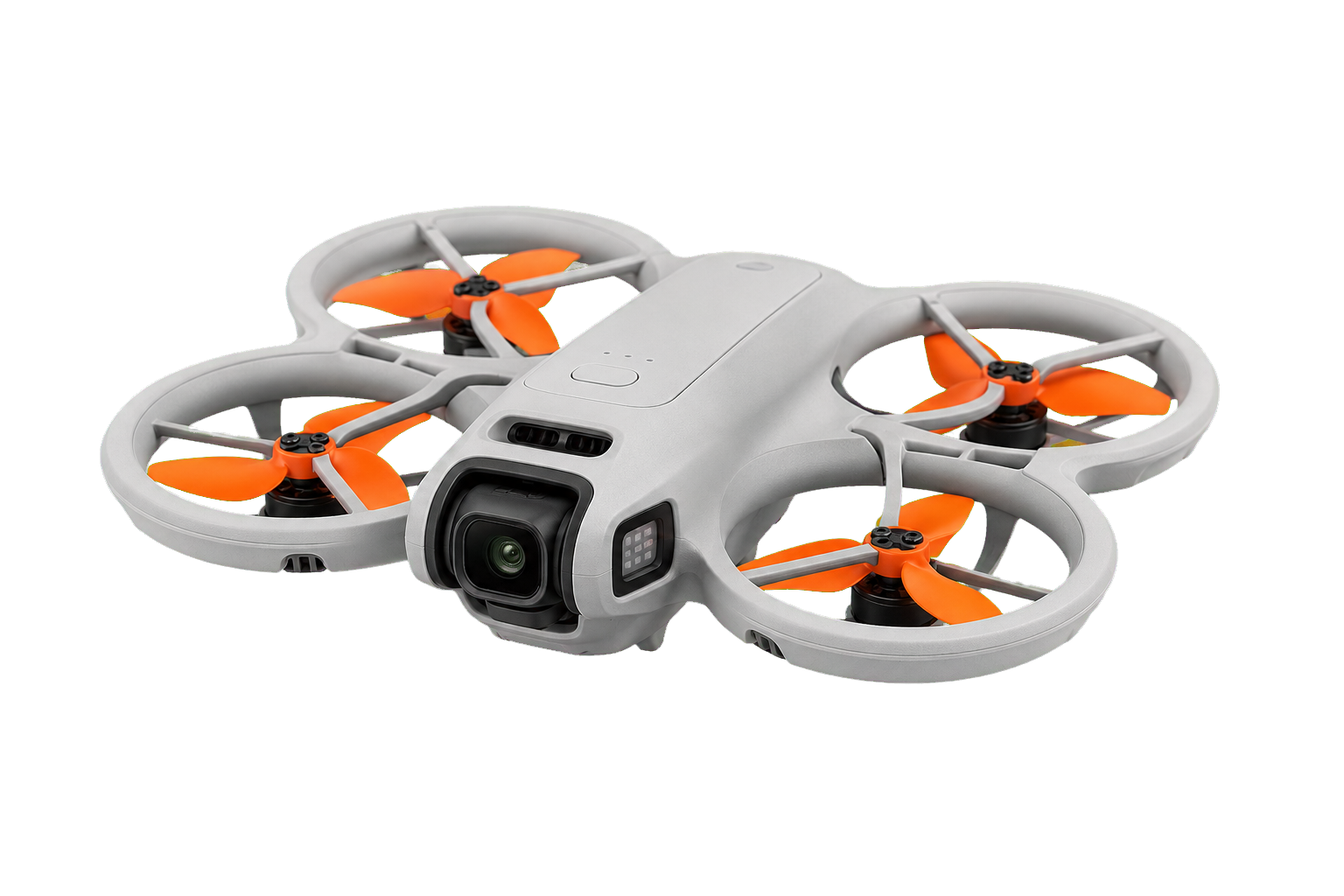
SneakerDJI Neo 2 · 151 g

Follow-me scout

1,460 words · 7 min
03 // DJI Neo 2 · 151 g

Sneaker

A guarded pocket scout built to travel with the action rather than observe it from afar.

Profile length
1,460 words
Reading time
7 minutes
Fleet role
Follow-me scout
01

The smallest adventure specialist

Sneaker, my 151-gram DJI Neo 2, is the follow-me scout of the Nix Drones fleet. It occupies a role that is different from both Zoom and Nemesis. Those aircraft often establish a landscape from a considered position; Sneaker is more interested in movement within that landscape. It can join a walk, a ride or a short piece to camera without making the activity wait for a full-scale production. Its small guarded form encourages a closer, more immediate style of filming.

That role makes it particularly valuable because many adventures happen at ground level. Torque moving along a forestry track, somebody walking away from Vanilla or a quick introduction at the start of a route can all benefit from a camera that travels with the subject. Sneaker provides an aerial dimension without always needing to climb high. It helps connect the conventional action camera view with the broad establishing shot, filling the space between helmet-level movement and the geography shown by the larger drones.

02

Why it is called Sneaker

The name Sneaker captures the aircraft’s ability to come along quietly. It is compact, light and ready to appear when a brief moving shot will add life to a sequence. The call sign suggests something nimble and informal, which suits a drone that can be carried without ceremony and launched without turning heads like a larger machine. It also raises a smile, and there is no rule saying a carefully operated aircraft must have a name that sounds like a committee meeting.

Like the rest of the fleet, Sneaker wears the orange visual identity. Those details link a very modern little aircraft with Nemesis, Zoom and Twitch, despite their different generations and purposes. Naming and colour turn separate purchases into a coherent personal collection. More importantly, the identity makes it easy to describe what each aircraft contributes. Sneaker is not simply the smallest drone; it is the scout, the movement specialist and the machine most naturally associated with quick adventure footage.

03

Guarded design, different opportunities

The integrated propeller guards are central to Sneaker’s character. They provide a protected form that suits its close-action purpose and makes the aircraft look ready for a different sort of work. Guards do not make any flight automatically safe, and they certainly do not cancel the need to consider people, obstacles and local rules. What they do is support a design intended for compact, approachable operation where exposed propellers would be less suitable.

That protected shape changes the creative conversation. Instead of beginning with how high the aircraft should go, I can begin with where it belongs in relation to the action. A low follow, a gentle lead shot or a reveal from beside a trail can place the viewer inside the activity. The aim is not to buzz around a subject. It is to select one clean movement that a fixed camera could not provide. Sneaker’s design is most useful when it makes a shot simpler, not when it becomes an excuse to make the flight complicated.

04

The natural partner for Torque

Torque, my Scott Aspect eRIDE 910, creates exactly the kind of movement Sneaker is designed to record. An eMTB ride is not only a collection of statistics; it is the feeling of entering a forest, climbing a track, crossing open ground and arriving somewhere worth stopping. The DJI Action 4 can show the rider’s view and the surface under the wheels. Sneaker can step outside that viewpoint and show the bike moving through the environment.

The best results require planning a short section rather than trying to film an entire ride. I can identify a clear, legal and considerate stretch, understand the direction of travel, check for other trail users and decide where the sequence begins and ends. One controlled pass may be enough. Then the aircraft is safely recovered and the ride continues. This keeps filming subordinate to the experience, which matters. Torque is there to explore Cannock Chase, not to spend every mile waiting for its airborne publicist.

05

Follow footage with a purpose

Automated following is attractive because it promises movement without a separate camera operator. The sensible use of that ability still begins with human judgement. I need to know what the aircraft will attempt, where obstacles lie, how the subject may change speed and what escape or recovery options exist. A follow mode is a tool for executing a planned idea, not a magic instruction to ignore everything until the battery runs down.

Creatively, the strongest follow shot usually has a clear duration and destination. Sneaker might reveal Torque entering a stand of trees, track a rider along an open section or lead the movement towards a viewpoint. The clip should tell the viewer something about speed, terrain or direction. Repeating the same follow angle for minutes creates footage but not necessarily a story. A short, readable movement can be combined with wheel-level action, a static detail and a wider drone shot to build a sequence with genuine rhythm.

06

Quick launch, quick thinking

Sneaker’s small size makes spontaneous footage possible, but spontaneity must not be confused with haste. A rapid set-up is useful only after the essentials have been checked: the surroundings, weather, people, wildlife, restrictions, battery and intended flight path. The aircraft can be ready quickly because its design is simple, not because the pilot has been excused from thinking. The lighter the process feels, the more important it is to preserve that deliberate pause before launch.

Once those checks are complete, the low-fuss nature of Sneaker becomes a real advantage. It can capture a short establishing clip at camp, a moving introduction or an action insert without unpacking the entire flying department. That makes it well suited to mixed-camera days. The Ray-Ban Meta glasses may record the first-person moment, the Action 4 handles robust movement, the phone captures an immediate detail and Sneaker adds a floating perspective. Each camera does one useful job, and none needs to pretend it can do everything.

07

A closer kind of aerial perspective

Traditional drone imagery often relies on height. Sneaker is most interesting when it demonstrates that aerial simply means the camera is free from the ground. A modest change in elevation can reveal the line of a path, place a person against a backdrop or move smoothly through a space that would be awkward for a handheld operator. The resulting footage can feel intimate rather than remote, particularly when the viewer remains close enough to read the action.

That perspective helps a finished film avoid becoming a sequence of disconnected grand views. Nemesis or Zoom may show the whole forest, campsite or coastline, but Sneaker can provide the transition into the human-scale experience. It shows where the boots, wheels and conversation fit inside the larger setting. When edited between wide and close material, that middle distance creates continuity. The viewer is not simply teleported from an overhead map to a handlebar; the camera guides them through the change.

08

Limits that define the role

A compact guarded aircraft should not be judged as though it were a heavy landscape platform. Wind, image demands and operating environment all affect whether Sneaker is the right choice. If the scene requires maximum tonal flexibility, long deliberate movements or confident work in more exposed conditions, Zoom or Nemesis may be better. If the surroundings do not provide a suitable route for close action, the follow shot can be replaced by a ground camera. Good equipment selection includes the freedom not to use the smallest new gadget simply because it is charming.

Battery expectations are also managed according to the mission. The aim is a small number of planned clips with a generous reserve, not a long aerial accompaniment to every activity. Short flights suit the way the footage will be used. They encourage me to rehearse the movement mentally, position the subject properly and record the useful material before novelty takes over. Constraints are not an embarrassment; they can make the filming more disciplined and the edit much easier.

09

Why the scout earns its place

Sneaker earns its hangar space by doing work the other aircraft make awkward. It is light enough to accompany an outing, protected enough to support its close-action identity and capable of adding movement without demanding that the day revolves around it. That is a very Nix virtue. My favourite equipment becomes part of a wider system—Vanilla provides the base, Torque provides the trail, the cameras share the storytelling, and each tool contributes where it is strongest.

The little scout also points towards the future of personal filmmaking. Automation, compact design and intelligent tracking will continue to improve, but the purpose should remain traditional: return with a clear story of a worthwhile day. Sneaker does not replace piloting, planning or editing judgement. It simply creates a new range of practical camera positions. Used with care, it can make a familiar ride or walk feel fresh, show the energy of movement and then disappear back into the kit while the adventure carries on.

04
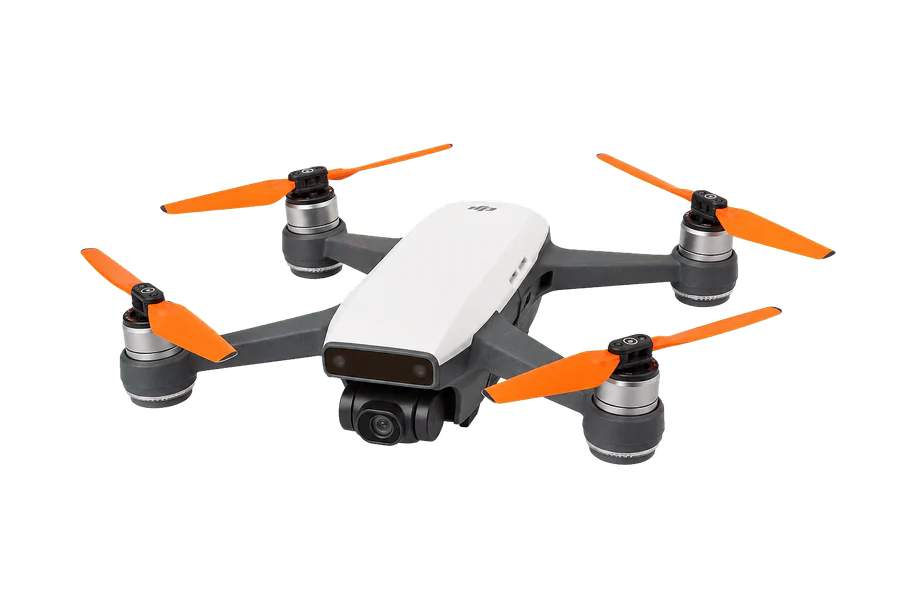
TwitchDJI Spark

Original character

1,429 words · 7 min
04 // DJI Spark

Twitch

The spirited DJI Spark that gave the fleet its personality, colour and sense of fun.

Profile length
1,429 words
Reading time
7 minutes
Fleet role
Original character
01

Where the character began

Twitch is my DJI Spark and the original character in the Nix Drones hangar. Modern specifications can make an older compact aircraft look modest, but history is not measured in megapixels alone. Twitch belongs because it represents the period when a flying camera became personal, portable and fun enough to accompany ordinary adventures. It helped establish the idea that the drones could have names, distinct personalities and a shared visual identity rather than being treated as anonymous pieces of electronics.

That origin matters to the entire site. Nix Drones started with the aircraft and then grew into a place where I could also drone on about campervans, eMTBs, travel, cameras, power and all the equipment that connects those interests. Twitch therefore sits near the roots of the family tree. It is not merely an old device kept for nostalgia; it is evidence of how the language and humour of the Nix world developed. Without the first characters, there would be no hangar for the newer machines to join.

02

A name that fits the machine

The call sign Twitch suits the Spark perfectly. The aircraft is small, eager and full of visible energy. It feels like a machine that wants to be airborne before the case is properly open. The name acknowledges that lively character while also reminding me that good footage requires smoothing that enthusiasm into controlled movement. A spirited aircraft can still produce calm pictures when the pilot treats the controls with patience.

Twitch also sounds like a member of a fictional squadron rather than an entry on a stock spreadsheet. That is exactly the point. Naming the drones makes the fleet approachable and gives each profile a voice. Nemesis sounds imposing, Zoom sounds fast and useful, Sneaker sounds quietly adventurous, and Twitch sounds alert and mischievous. The names are different because the machines are different. Together with the orange propellers, they make Nix Drones instantly recognisable as a personal project shaped by affection as much as technology.

03

The Spark moment

When the DJI Spark appeared, the idea of a genuinely compact camera drone felt exciting. It brought stabilised aerial footage into a package that could be carried without the logistics associated with larger machines. Its 12-megapixel camera and 1080p video are ordinary beside current models, yet they were capable of recording views that no phone or ground camera could obtain. The essential thrill was not the resolution; it was placing a steady camera in the sky from a small, characterful platform.

That context deserves to be remembered because technology changes our expectations very quickly. Features that once felt extraordinary become the minimum, and perfectly useful equipment can be dismissed because a newer box prints a larger number on the side. Twitch encourages a longer view. It shows how far compact drones have come, but it also demonstrates that composition, light and movement were always more important than specification bragging. A well-planned Spark clip can still communicate place better than an aimless modern flight recorded at a heroic bitrate.

04

Flying the lively original

Twitch rewards gentle inputs. The short flight time and compact form encourage a clear plan: decide the shot, launch from a suitable area, record it cleanly and return with reserve. There is little value in spending precious minutes wandering around the sky in search of an idea. That discipline is useful for every aircraft in the fleet. The Spark teaches it in a particularly direct way, like an old instructor who has no interest in hearing that the battery percentage looked fine a moment ago.

The aircraft’s lively nature also makes smoothness an achievement rather than an automatic effect. Slow reveals, modest climbs and simple orbits are the natural vocabulary. The aim is to work with the capability of the gimbal and airframe, leaving rapid moves for repositioning rather than the final edit. When the shot is calm, viewers notice the landscape instead of the machine. That principle has travelled from Twitch to every later Nix aircraft and remains one of the most valuable lessons in the hangar.

05

Making the most of the camera

A 12-megapixel camera and 1080p video require thoughtful use, especially now that audiences are accustomed to sharper modern footage. Good light becomes particularly valuable. Early or late sun, a clear subject and clean exposure allow the image to play to its strengths. Excessive cropping or aggressive grading will reveal limitations quickly, so the composition should be settled in the air and the edit should remain restrained. Twitch benefits from being asked for one strong frame rather than being forced to imitate a newer flagship.

The footage can also be used deliberately within a mixed-camera film. It may appear as a brief heritage insert, a wide establishing view or part of a story comparing generations of the fleet. Matching colour and contrast carefully helps it sit beside newer material, while accepting a little difference can support the historical mood. Not every clip must pretend it was recorded yesterday. Sometimes the texture of an older camera is part of what tells the viewer where a memory belongs.

06

Orange propellers and Nix identity

Twitch helped demonstrate how a small visual modification could unify the fleet. Orange propellers are practical pieces with a much larger branding effect. On the white Spark they are impossible to miss, giving the aircraft a playful appearance that suits its call sign. The same colour later became part of the wider Nix language across drones, Vanilla and Torque. Grey, black, white and orange now connect machines that serve very different purposes.

That identity is personal rather than corporate. I am not trying to make a hobby look like a multinational air force with a quarterly shareholder presentation. The orange says that the equipment belongs together and that I have taken pleasure in making it my own. It also makes photographs of the fleet more distinctive. Twitch wears the colour with particular confidence, which is appropriate for the aircraft that carries so much of the early personality of Nix Drones.

07

Lessons carried into the modern fleet

Twitch taught habits that remain relevant with Zoom, Nemesis and Sneaker. Short batteries encouraged planning. Limited resolution encouraged composition. A compact aircraft encouraged carrying the drone often enough to recognise unexpected opportunities. Its visible, energetic character encouraged smooth control. None of those lessons became obsolete when sensors improved. In fact, modern automation can make them easier to forget because the equipment appears to solve so much by itself.

The Spark also reinforces the value of a proper post-flight routine. Batteries need to be managed, propellers checked, footage copied and the aircraft returned to its case ready for next time. Those traditional habits protect every generation of equipment. The smartest drone still depends on the owner remembering the memory card, charging the controller and looking at the propellers before flight. Twitch may be the old hand in the hangar, but it continues to give very modern machines some sensible advice.

08

Twitch beside Zoom and Sneaker

Zoom now occupies the practical everyday role with a stronger camera, longer endurance and far more advanced assistance. Sneaker takes compactness and guarded action filming into a new generation. On a purely technical selection chart, Twitch rarely wins. Yet a collection should not be judged only as if every object is applying for the same vacancy. The Spark has a heritage role, and heritage provides context that the latest specification cannot manufacture.

Flying or displaying the aircraft alongside its successors turns progress into something visible. The changes in camera, sensing, battery performance and design become part of the story. Twitch allows me to explain not only what the current fleet can do but how personal drone flying developed over time. It is the beginning of the comparison, the small white reference point from which the newer orange-propeller aircraft can be understood.

09

Why the original remains

Twitch remains because memories need physical anchors. A machine associated with the start of an enthusiasm can recall the excitement of learning, experimenting and seeing familiar places from above for the first time. Selling it would create a little space; keeping it preserves an entire chapter. There is a traditional satisfaction in looking after equipment that has served well, even when newer tools take the majority of active duties.

Its future role is therefore honest. Twitch is not presented as the best technical choice for every flight. It is the original character, the heritage aircraft and the reminder that Nix Drones has always been about enjoyment as well as output. When it flies, the purpose may be a simple short sortie, a comparison or the pleasure of revisiting the roots. When it remains in the hangar, it still contributes by giving the fleet history. Not bad going for a small drone with 16 minutes on the clock and the loudest orange propellers in the room.

Nix Drones aerial landscape
360°
SKY · 360° EXPERIENCE

EXPLORE
IN 360°.

Don't just see the view.
Step inside it.

EXPLORE THE SKY
SKY · FLIGHT LOG

EVERY FLIGHT.
EVERY MILE.

Every view from above—real telemetry, real routes and a growing record of the Nix Drones story in the sky.

SKY · LATEST FLIGHT

8 August 2026

Finding take-off area…

LIVE LOG // 235 MAP POINTS
8 August 2026Flight date
17:58:17Start · UTC
18:15:37End · UTC
17m 20sFlight duration
3.23 miDistance
398 ftMaximum height
27.2 mphMaximum speed
1,761 ftFurthest point
98%Battery at start
14%Battery at landing
47.9°CMaximum battery temp
30Maximum satellites
52Photographs
2Video recordings
7m 8sActiveTrack
CINEMATIC FLIGHT REPLAY8 August 2026
NIX // MAP READY WHEN YOU ARE
GPS ROUTE · RECORDED
0:0017:20
ALTITUDE PROFILE398 ft max

Illustrative profile until sample-level altitude telemetry is imported.

BATTERY ANALYSIS98% → 14%
USED
84%
MAX TEMP
47.9°C
VOLTAGE
Unavailable
CURRENT
Unavailable
FLIGHT TIMELINE

THE FLIGHT, MOMENT BY MOMENT.

  1. 0m 4sTake-off
  2. 0m 25sPhotography begins
  3. 5m 56sActiveTrack begins
  4. 6m 37sMaximum altitude
  5. 8m 25sMaximum speed
  6. 11m 35sFurthest point
  7. 15m 23sReturn to Home
  8. 17m 22sLanding
NIX DRONES IN NUMBERS

THE VIEW FROM
ALL FLIGHTS.

1Total flights
3.23 miMiles flown
17m 20sFlight time
52Photographs
2Videos
398 ftHighest flight
27.2 mphFastest flight
17m 20sLongest flight
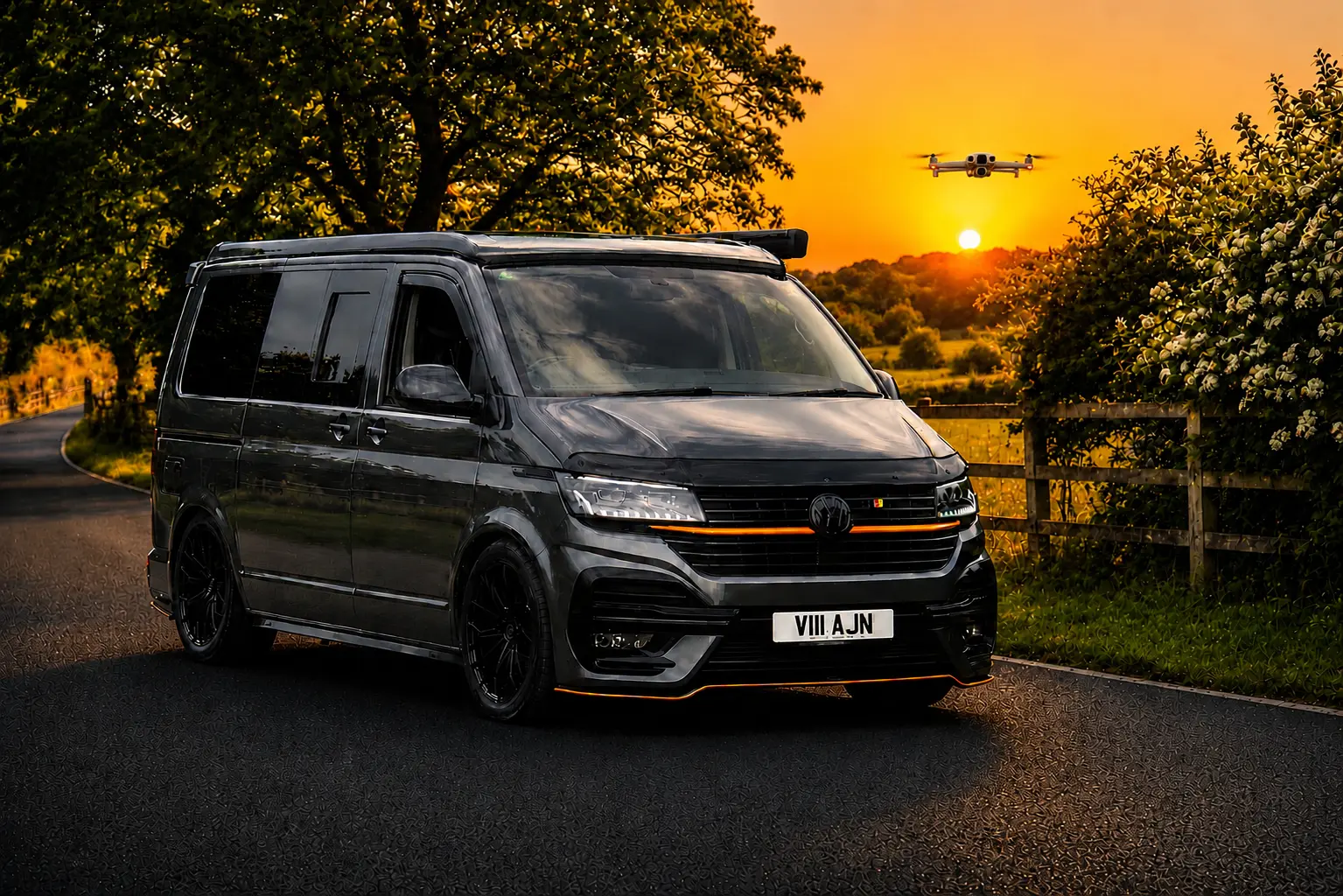
Vanilla, John's Indium Grey Volkswagen campervan with orange details, at sunset
04

The road chapter // Vanilla

The road-going
heart of Nix.

Vanilla is my Indium Grey VW T6.1 campervan: transport, home, charging station, flight-operations room and reliable accomplice. She carries the drones towards the weather, Torque towards the trails and me towards the sort of days that deserve a story.

Base vehicle2022 VW Transporter T6.1 SWB Highline
Engine110 bhp · five-speed manual · roughly 30 mpg
ConversionRock-and-roll interior · Skyline pop-top
IdentityIndium Grey · black details · Nix orange
Off-gridVictron · solar · AGM leisure power · Jackery
Flight roleCarry · charge · shelter · plan · review
Long read // The complete Vanilla story

Not just how we get there.

The drones may own the sky and Torque may steal the trail, but Vanilla makes the entire operation possible. This is the full tour—from the Transporter underneath it all to the reason a quiet roadside brew can matter as much as the destination.

01

Flight base

Fleet protected · batteries rotated · footage reviewed

02

Off-grid camp

Solar working · fridge cold · Webasto ready

03

Bike weekend

Towzer loaded · Torque secured · trail mapped

04

Night cinema

Projector up · Sonos paired · kettle on

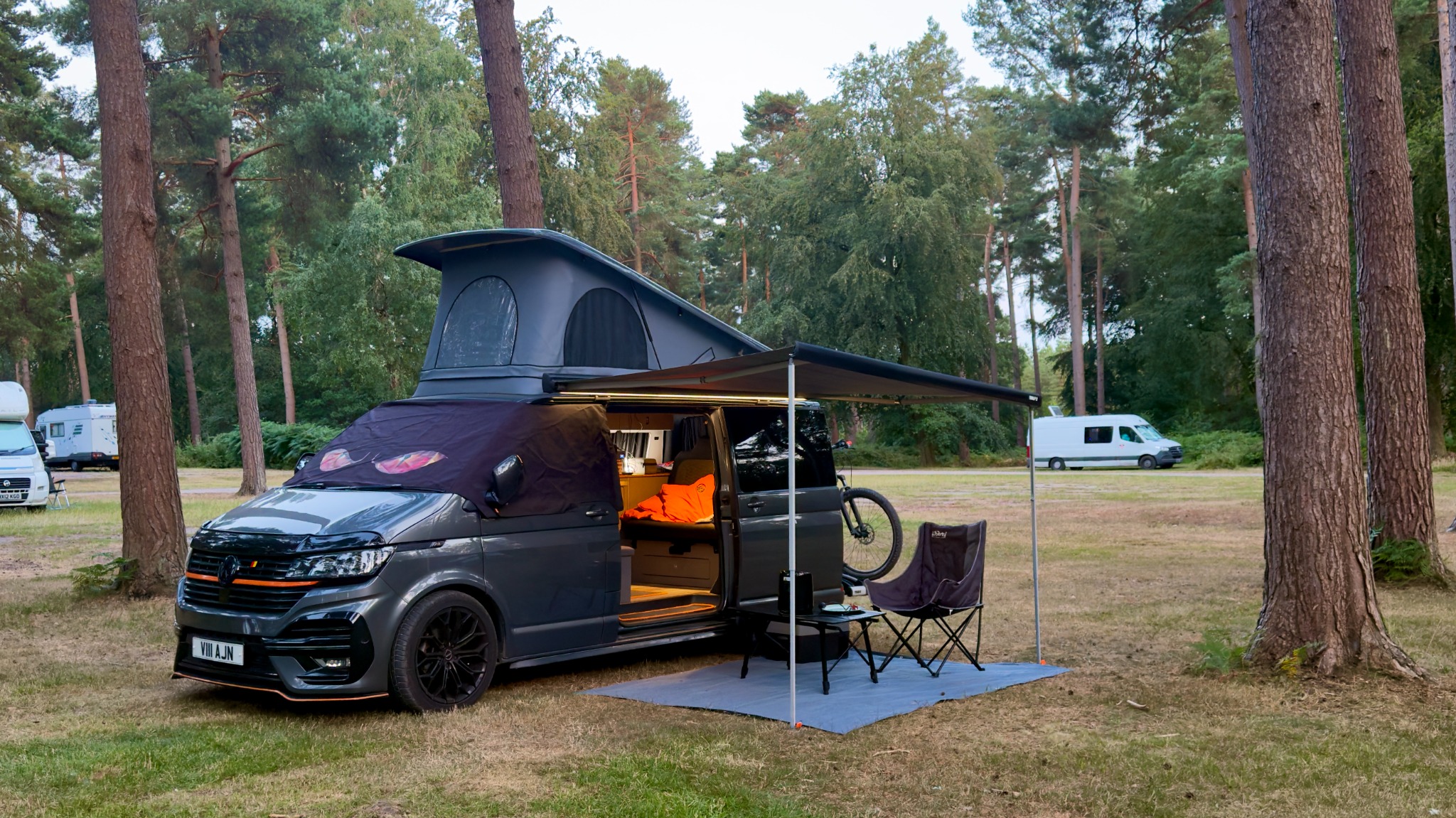
Vanilla set up among tall pine trees with the pop-top raised, side awning open and Torque carried at the rear
The road chapter // Fully deployed

This is Vanilla doing exactly what she was built to do: settled among the trees, warm light inside, the living space extended beneath the awning and Torque ready for the next trail.

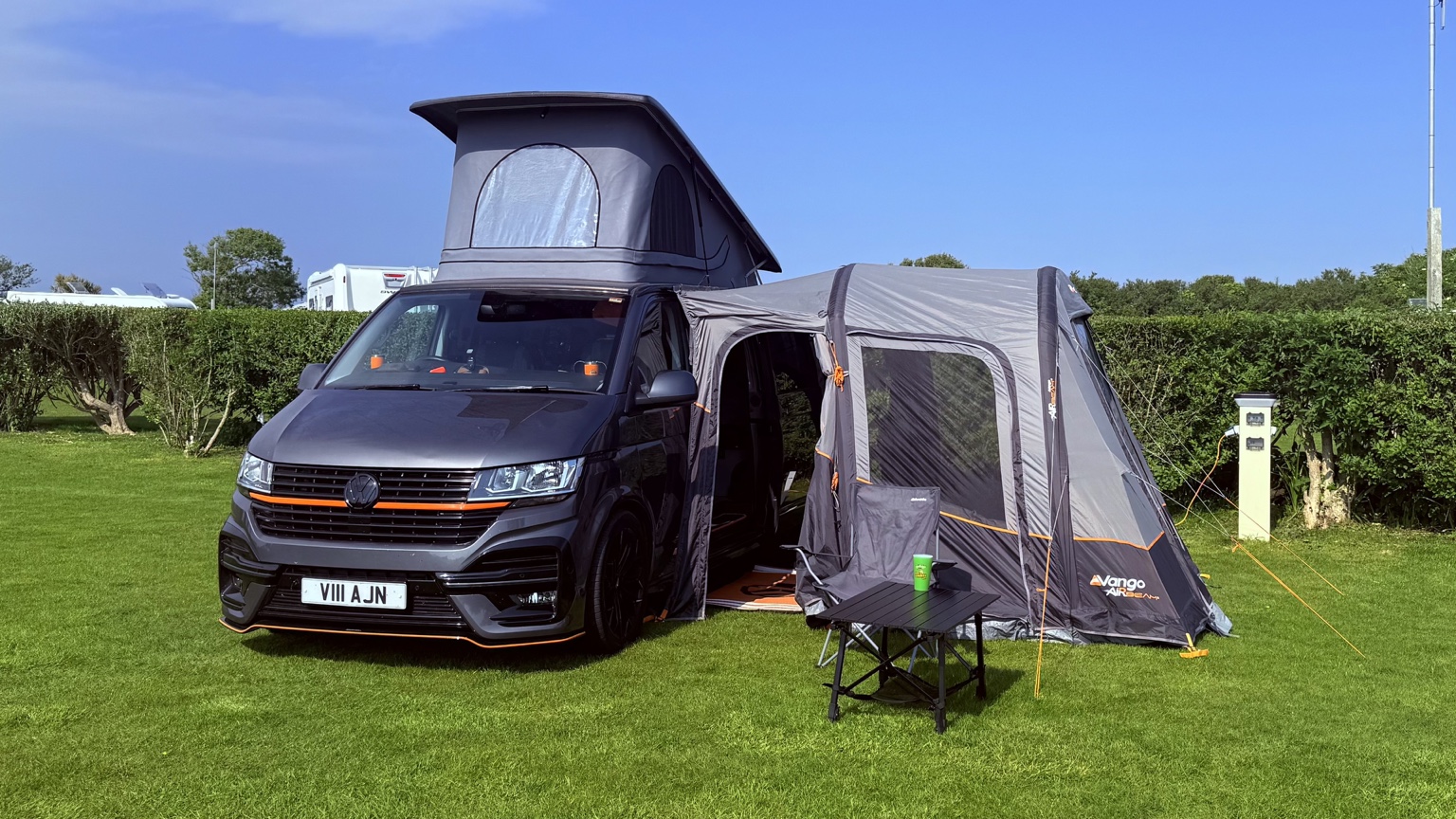
Vanilla, John's Indium Grey Volkswagen campervan, with her pop-top raised and Vango Faro Air 3 awning attached on a sunny campsite
Vanilla field kit // Vango Faro Air 3

Vanilla in full campsite mode with her Skyline pop-top raised and Haven—the Vango Faro Air 3—attached at the sliding door. The air awning adds a bright, sheltered room for chairs, kit and long evenings while keeping the van itself ready for sleep, cooking and the next departure.

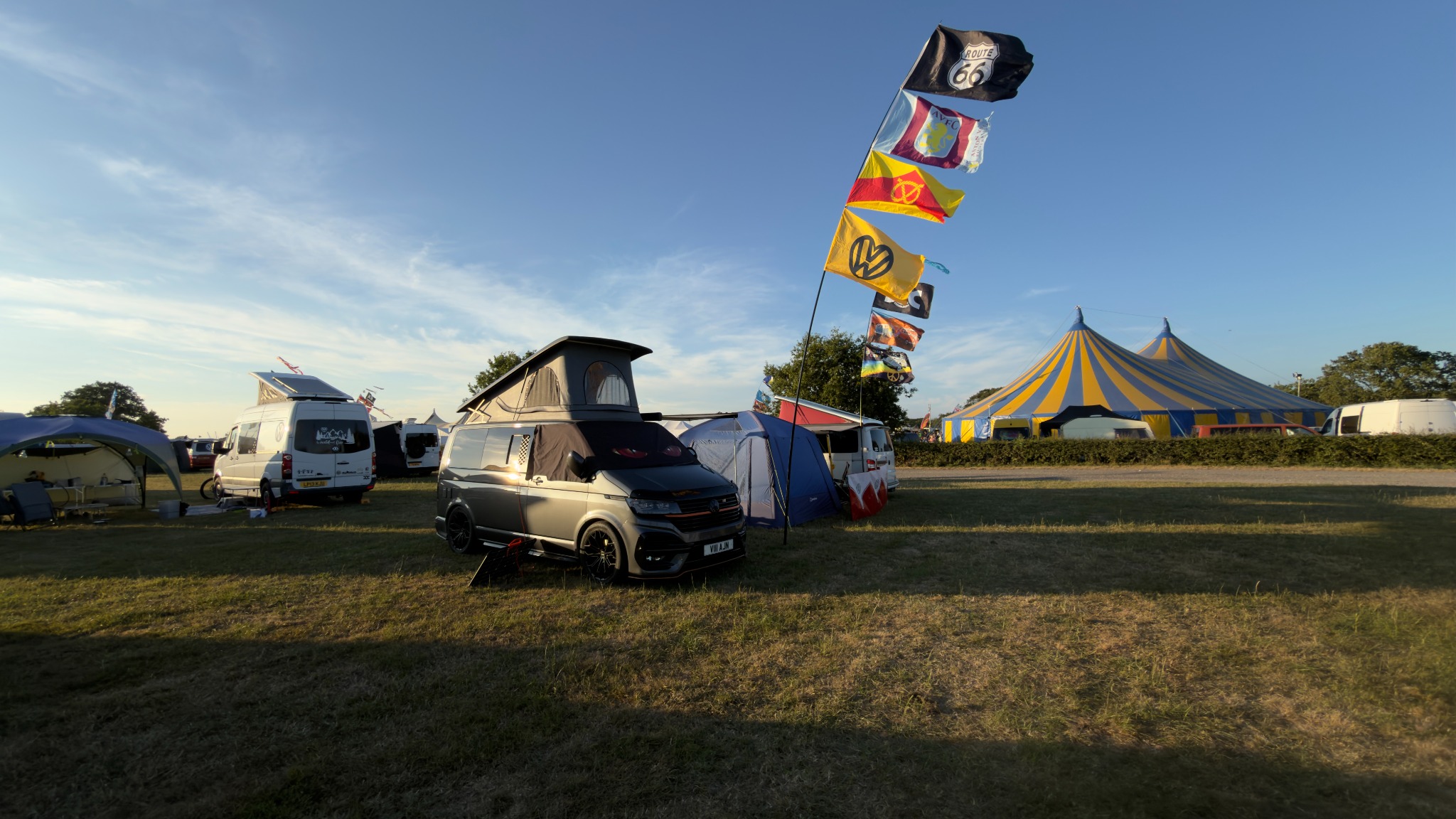
Festival field notes // Dubbed Out 2026

Vanilla,
flying the flag.

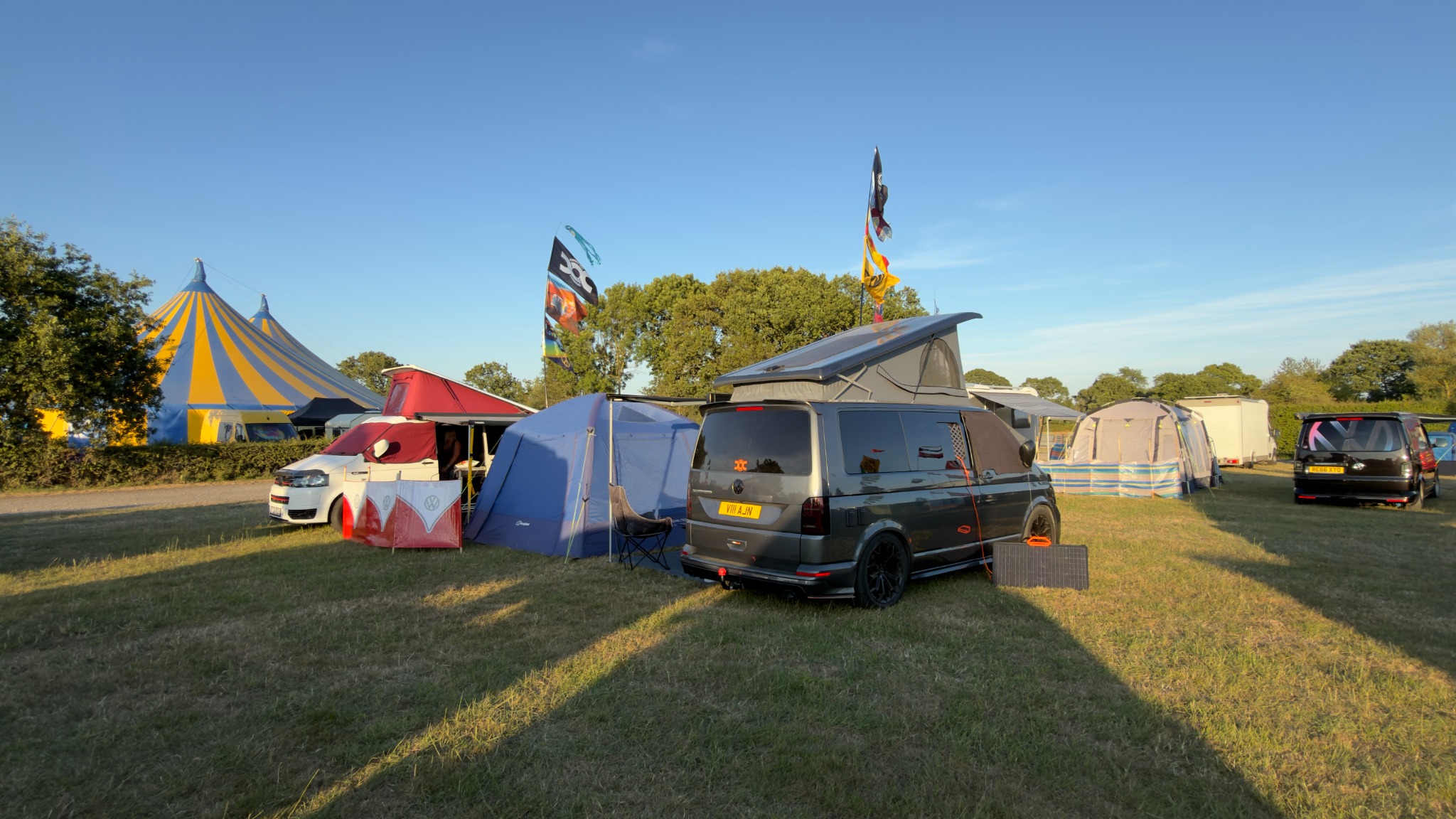
Pop-top raised, festival camp established and the flagpole making absolutely certain nobody missed the road-trip, Villa and Volkswagen loyalties. Vanilla looked completely at home beneath the Dubbed Out big top and a glorious blue evening sky.

Vanilla at Dubbed Out with her pop-top raised and a tall line of flags flying beside the festival big top
Golden hour // Flying the flag

Vanilla in full festival mode: Skyline roof open, flags high and the striped Dubbed Out big top completing a wonderfully unmistakable Volkswagen scene.

A wide rear view of Vanilla and the campsite at Dubbed Out in warm evening sunshine
The wider view // Vanilla settled into the festival field.
New field kit // Trail air gazebo

Meet
Outpost.

Vanilla's freestanding extra room.

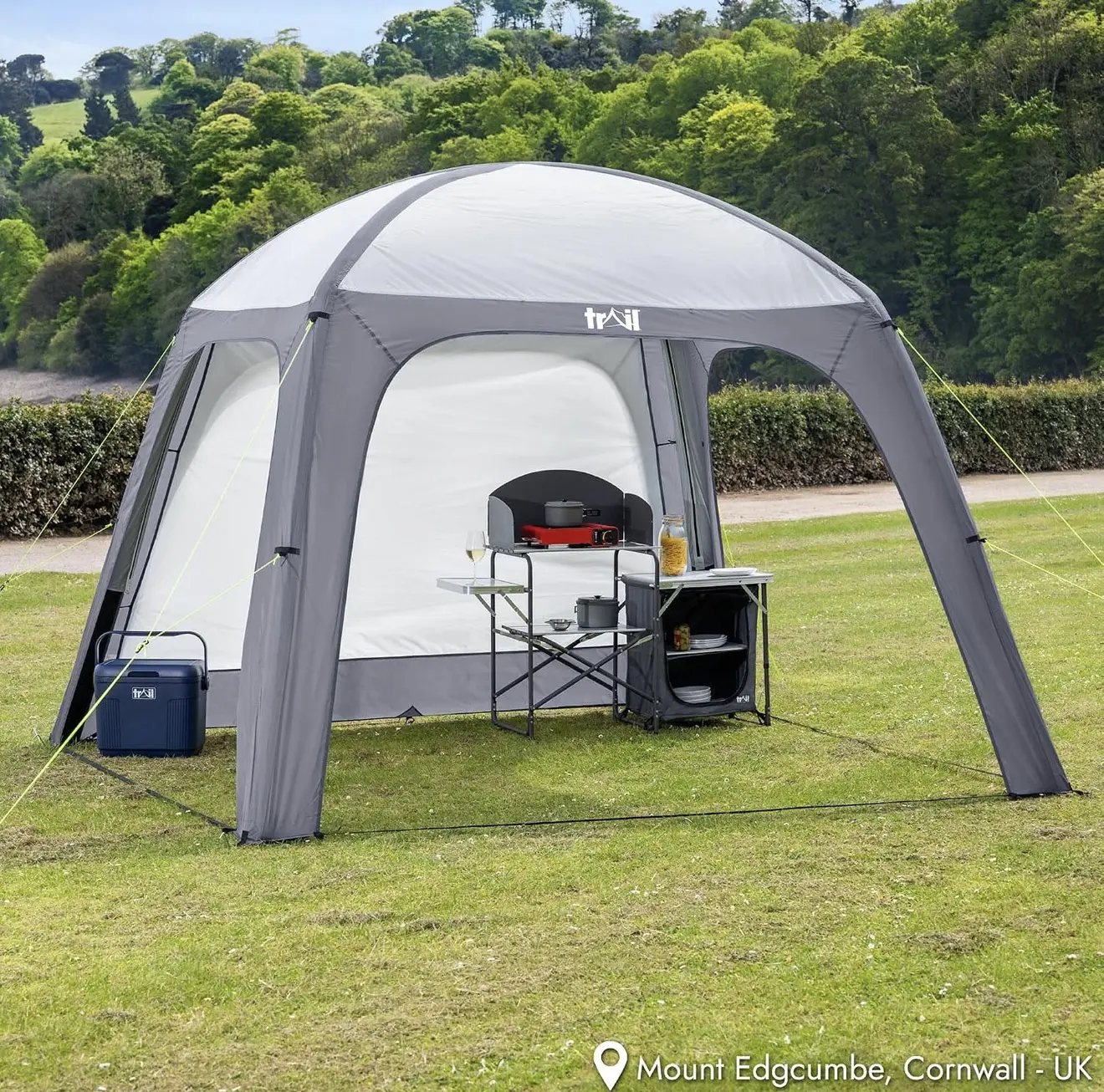
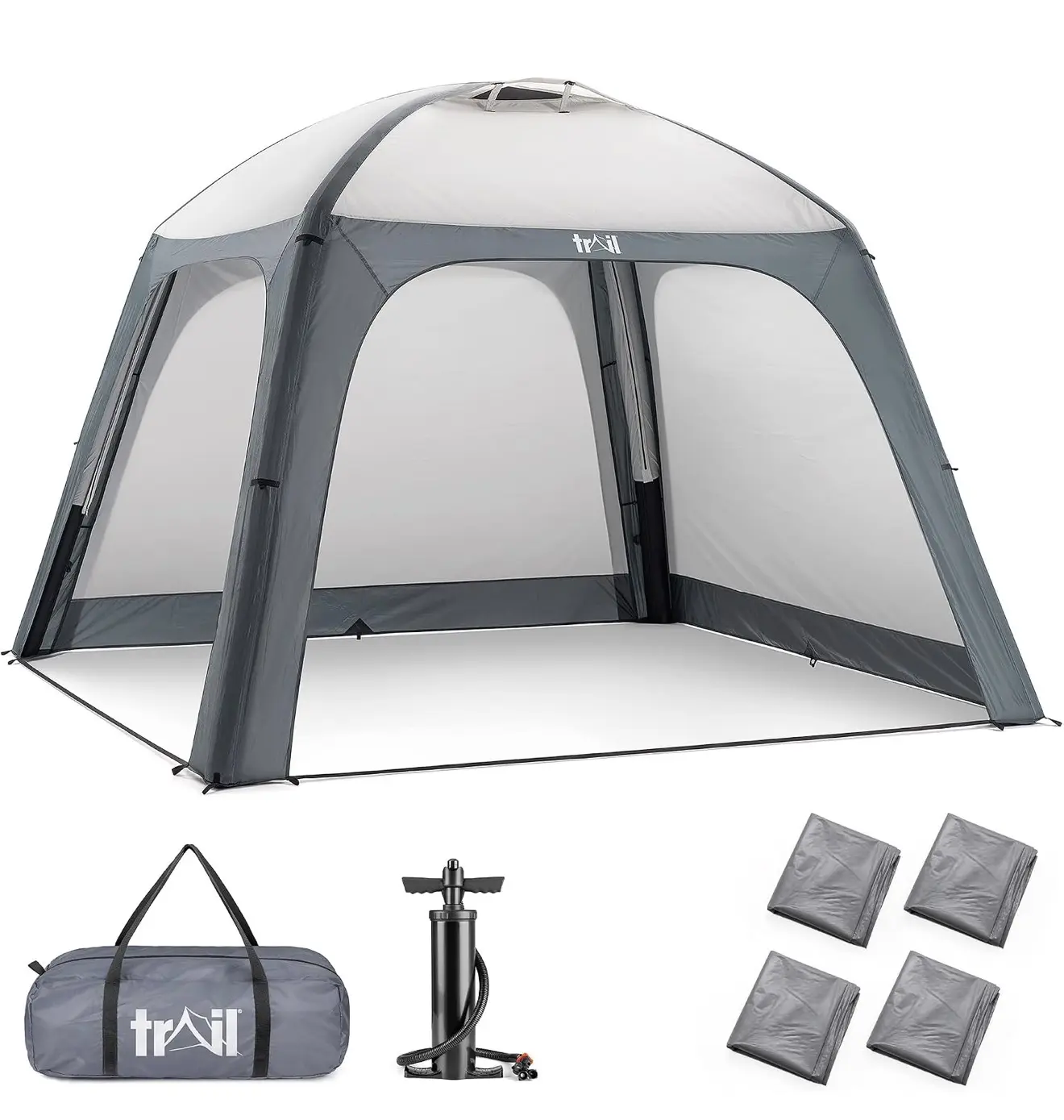
Outpost is my new inflatable gazebo: extra seating when camp is sociable, sheltered storage when the kit begins to spread and an occasional spare bedroom when a freestanding inner tent is fitted. It stands independently, so Vanilla can leave the pitch without the entire camp having to come down with her.

Trail inflatable air gazebo pitched on grass as an outdoor camp kitchen and living area
Camp architecture // No van attachment requiredPitch it. Use it. Leave it standing.

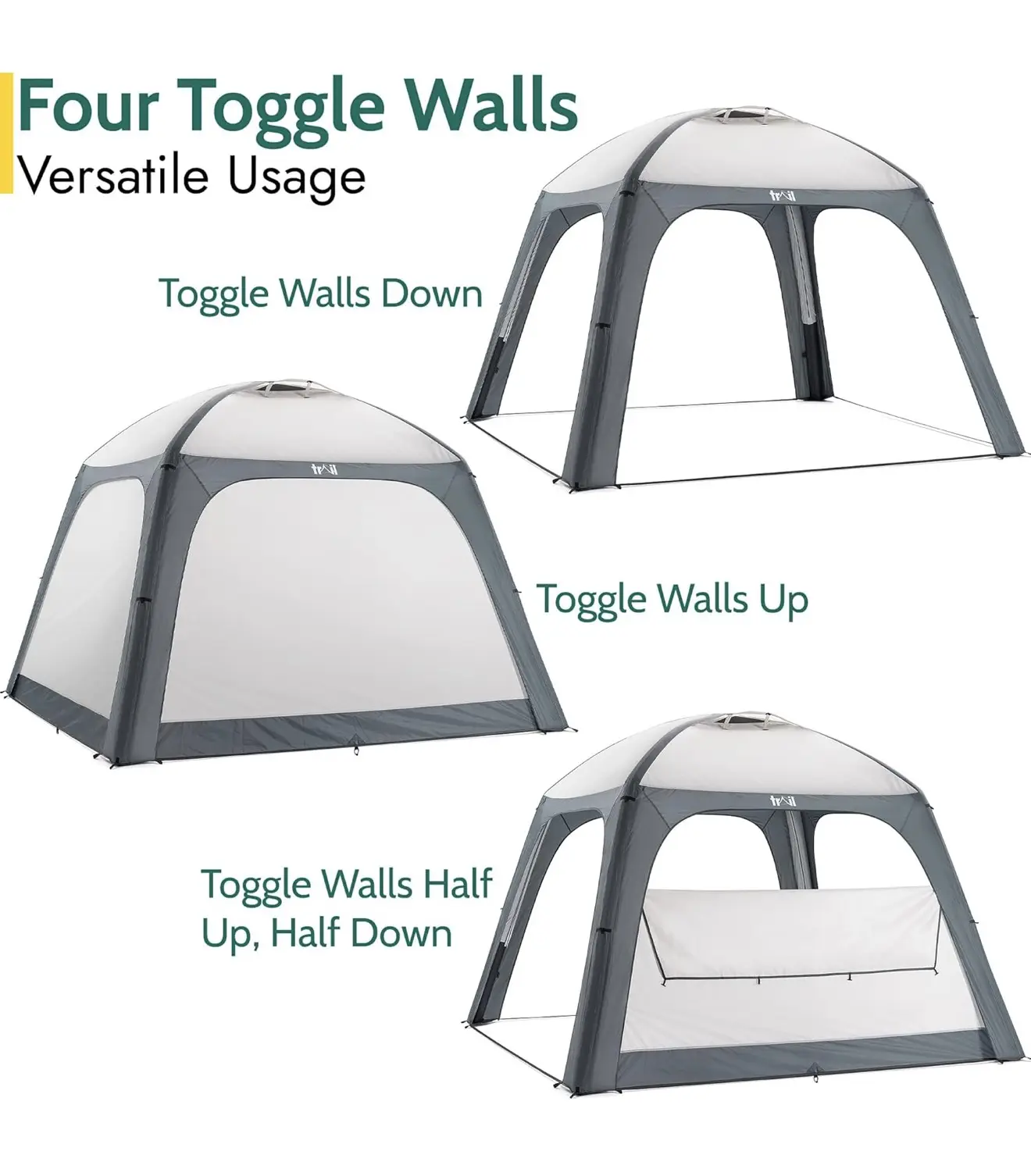
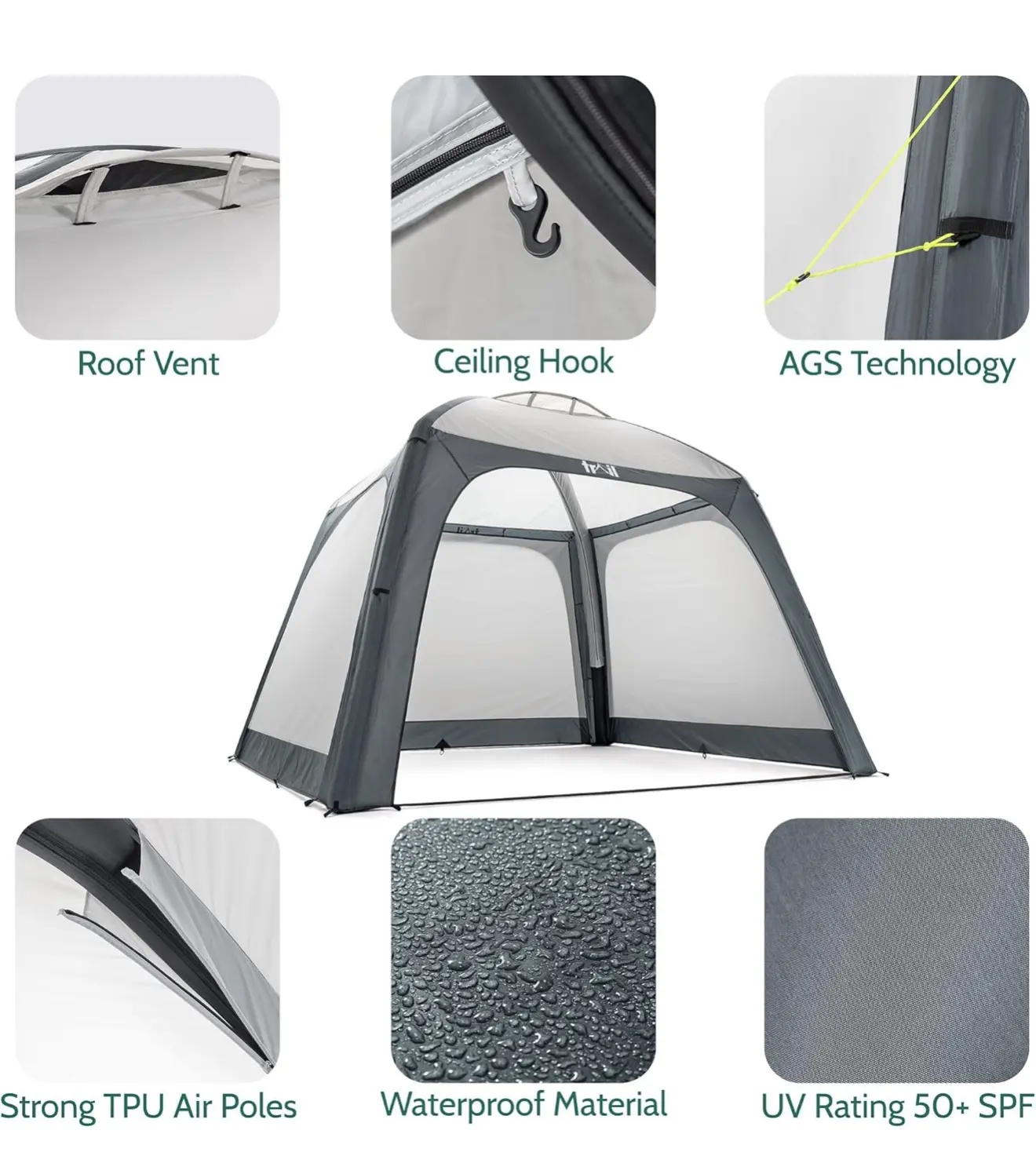
Four configurable walls let it move from an open sun shelter to a more private enclosed room. The roof vent keeps air moving; the air beams keep the setup pleasantly free of metal-pole wrestling.

01

Lounge mode

Extra seats. Same view.

A proper 3 × 3 metre room for chairs, a table and the long campsite evening—without everyone balancing inside Vanilla.

02

Store mode

Move the kit outside.

Bike gear, crates and the daily campsite clutter gain a dry base, leaving the van calm, clear and ready for the night.

03

Sleep mode

A spare room under canvas.

With a freestanding inner tent fitted, Outpost can become occasional extra sleeping space while Vanilla keeps her own bed.

Floor plan
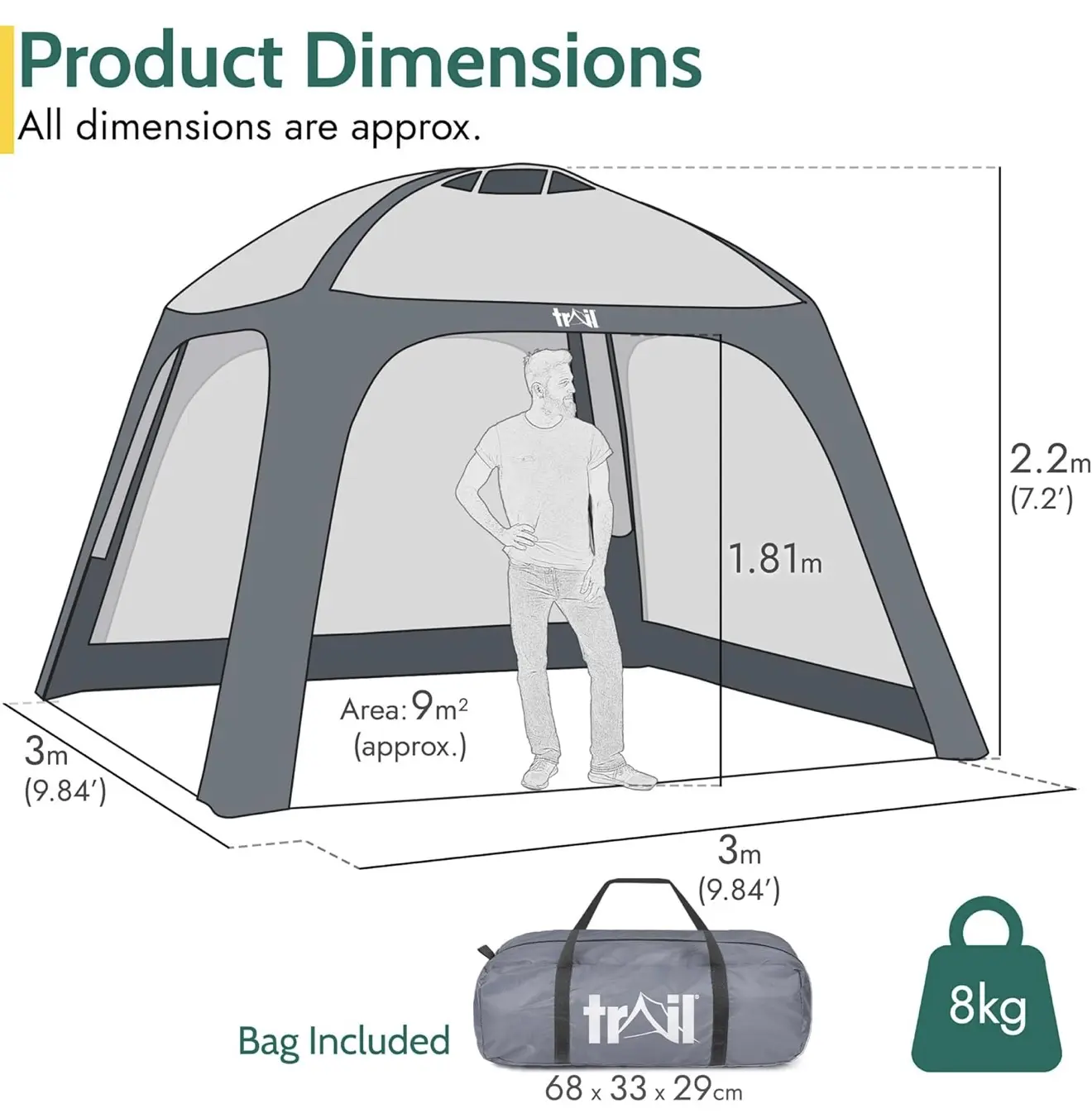
3 × 3 m
Approx. area
9 m²
Peak height
2.2 m
Packed weight
8 kg
Claimed inflation
8 min
Air-pole pressure
7 PSI
Outpost // Field guide

What earns its place in Vanilla.

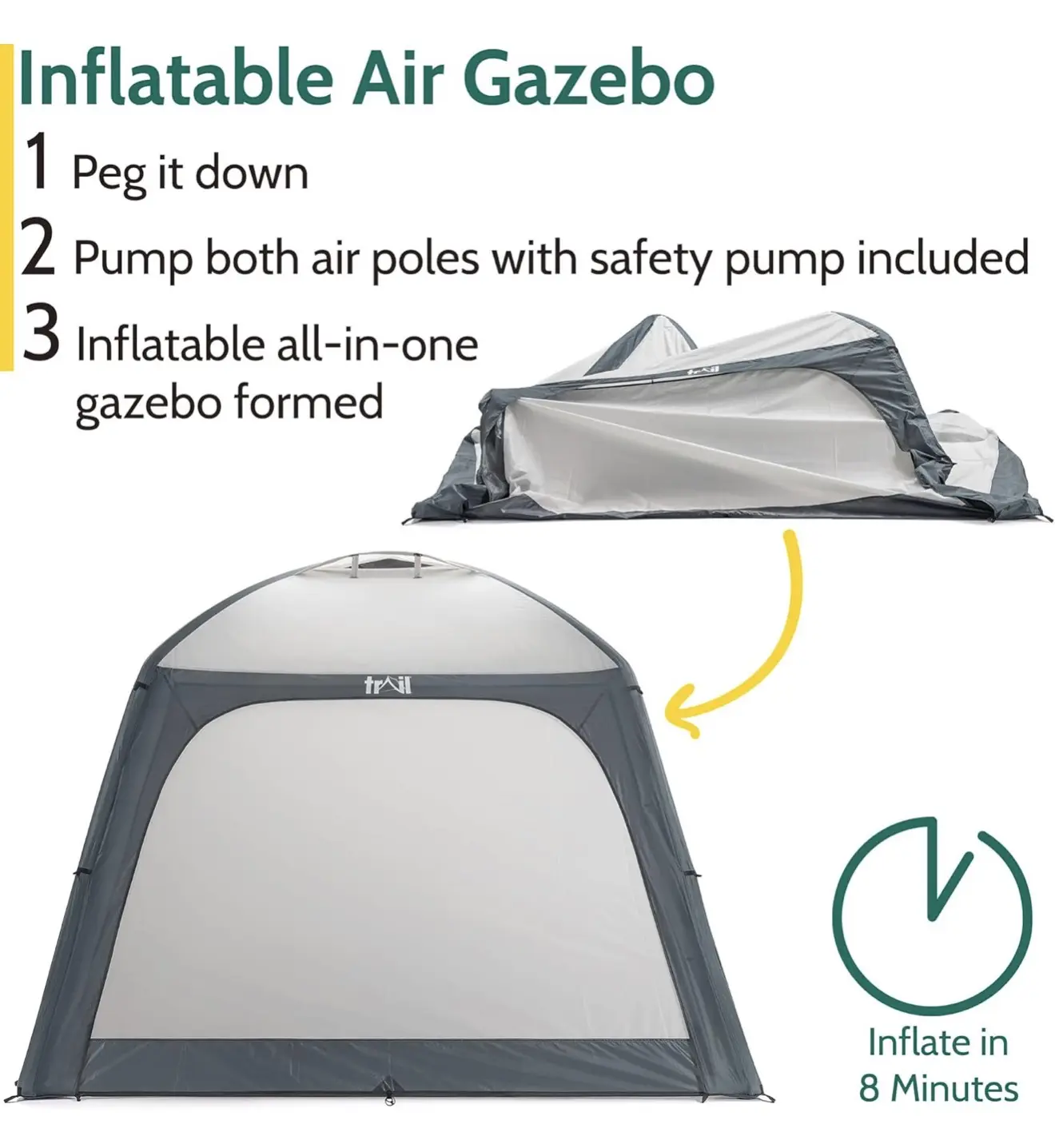
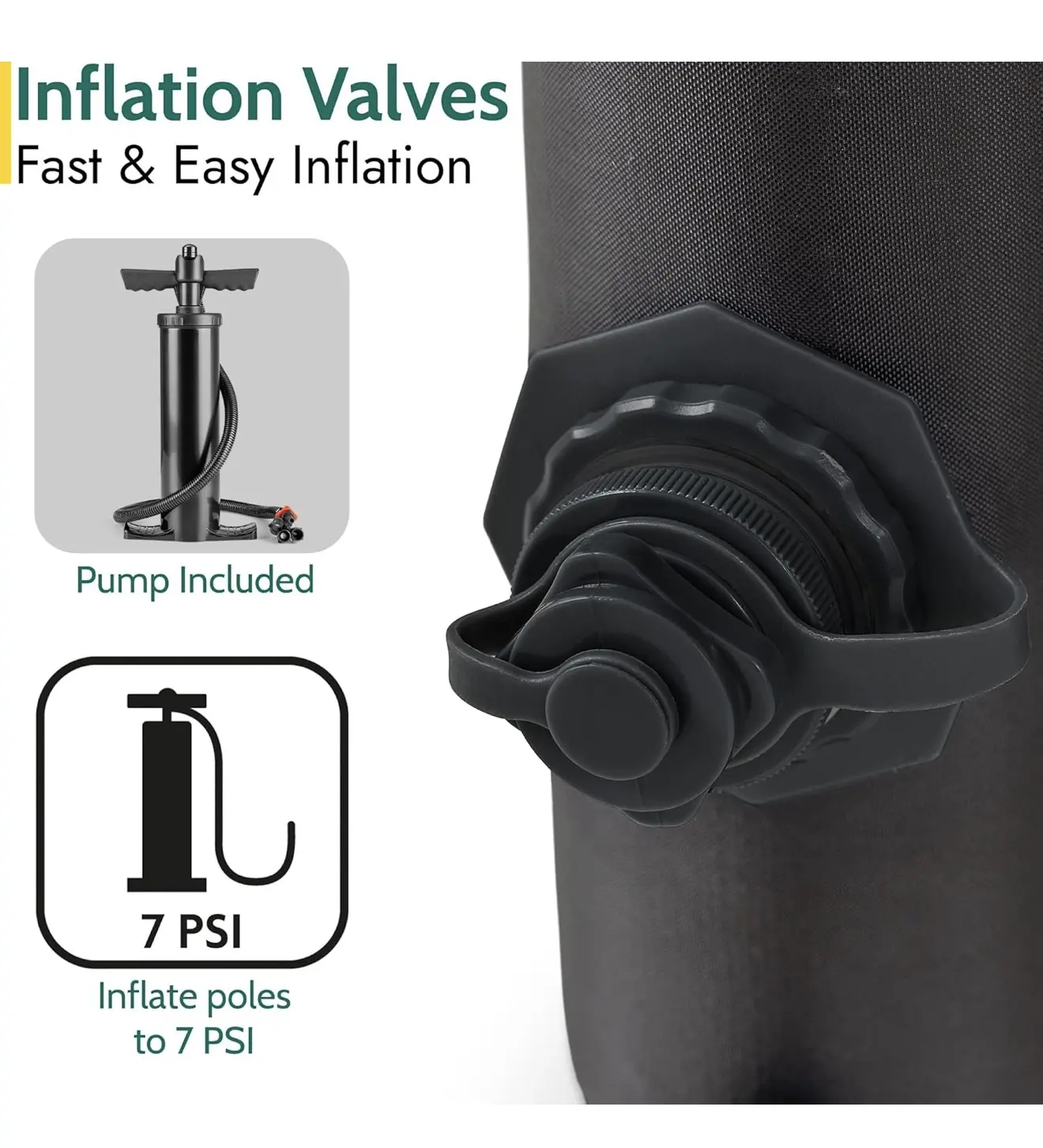
The whole shelter packs into a 68 × 33 × 29 cm bag at about 8 kg. Peg it down first, inflate both TPU air poles with the supplied pump and secure the guy system for the conditions.

Diagram showing the Trail air gazebo dimensions, standing height, floor area, packed size and weight
01 // DimensionsNine square metres
The gazebo shown with its four walls open, closed and half open
02 // Four toggle wallsOpen air to closed room
Three-step guide showing how to peg down and inflate the air gazebo
03 // Pitch sequencePeg. Pump. Outpost.
Gazebo feature guide showing the roof vent, ceiling hook, guy system, air poles and fabric
04 // Shelter detailsVent, hooks and air beams
Close-up guide to the gazebo inflation valve, included pump and seven PSI pressure
05 // Air systemTwo beams at seven PSI
Trail inflatable air gazebo with its carry bag, pump and four removable walls
06 // In the bagGazebo, walls and pump
Vanilla systems // Power supply & options

The Nix
power room.

Vanilla uses two electrical layers. The fixed campervan system quietly looks after the fridge, lights, water and heating controls. The portable Jackery fleet takes the hungry, movable or occasional loads. Keeping those jobs separate gives me more freedom and fewer flat-battery dramas.

The rule is simple: generate whenever the road, sun or hook-up allows; monitor what is really happening; then use the smallest sensible supply for the job. It is less National Grid, more well-organised engine room.

Vanilla, John's grey Volkswagen campervan, parked at sunset
Vanilla // Off-grid headquartersRoad in. Sunshine in. Useful electricity out.Fixed 12 V · solar · hook-up · portable LiFePO4
01 // Driving

Alternator to leisure battery

Victron Orion Smart · 30 A DC–DC

When Vanilla is moving, the Orion turns alternator output into a controlled charge for the leisure side. Road miles therefore do two jobs: reach the next pitch and put energy back into camp.

02 // Sunshine

Fixed and movable solar

PV Logic PS-8688 200 W thin rigid-frame roof panel · 160 W portable · MPPT 75/15

The roof panel quietly gathers whenever light is available. At camp, the portable panel can be aimed properly instead of accepting whichever direction the van happens to face.

03 // Hook-up

The easy full reset

230 V inlet · Sargent EC155

Electric hook-up remains the simplest option when it is available: run mains equipment, manage the campervan services and leave with the batteries ready for another spell away from the orange bollard.

Fixed system // The dependable layer

Store it. Watch it. Spend it carefully.

A 110 Ah AGM leisure battery sits at the centre. The Victron SmartShunt reports the state of play, the SmartSolar MPPT 75/15 gets the best useful charge from the panels, and the Sargent EC155 manages the familiar campervan services. No guessing by the brightness of a bulb required.

Storage
110 Ah AGM
Drive charge
Victron Orion 30 A
Solar control
SmartSolar MPPT 75/15
Monitoring
Victron SmartShunt
Solar array
PV Logic PS-8688 200 W thin rigid-frame roof panel · 160 W portable · MPPT 75/15
Camper control
Sargent EC155
01 // Built-in 12 V

Keep Vanilla living

The 110 Ah AGM leisure battery is reserved for the equipment that belongs to the van: compressor fridge, lights, water services and the electrical side of the Webasto heater.

02 // Portable DC and USB

Run the camera department

Phones, laptops, the 5G router, drone packs, controllers, Action 4 and smaller camera batteries are happiest on efficient USB or DC power whenever possible.

03 // Portable 230 V

Bring the heavy hitters

Forge and Kindle take the high-demand jobs: cooking, induction, the projector, awkward mains chargers and restoring useful range to Torque’s 600 Wh Bosch battery.

My Jackery power stations // The Nix National Grid

The four Jackerys I own.

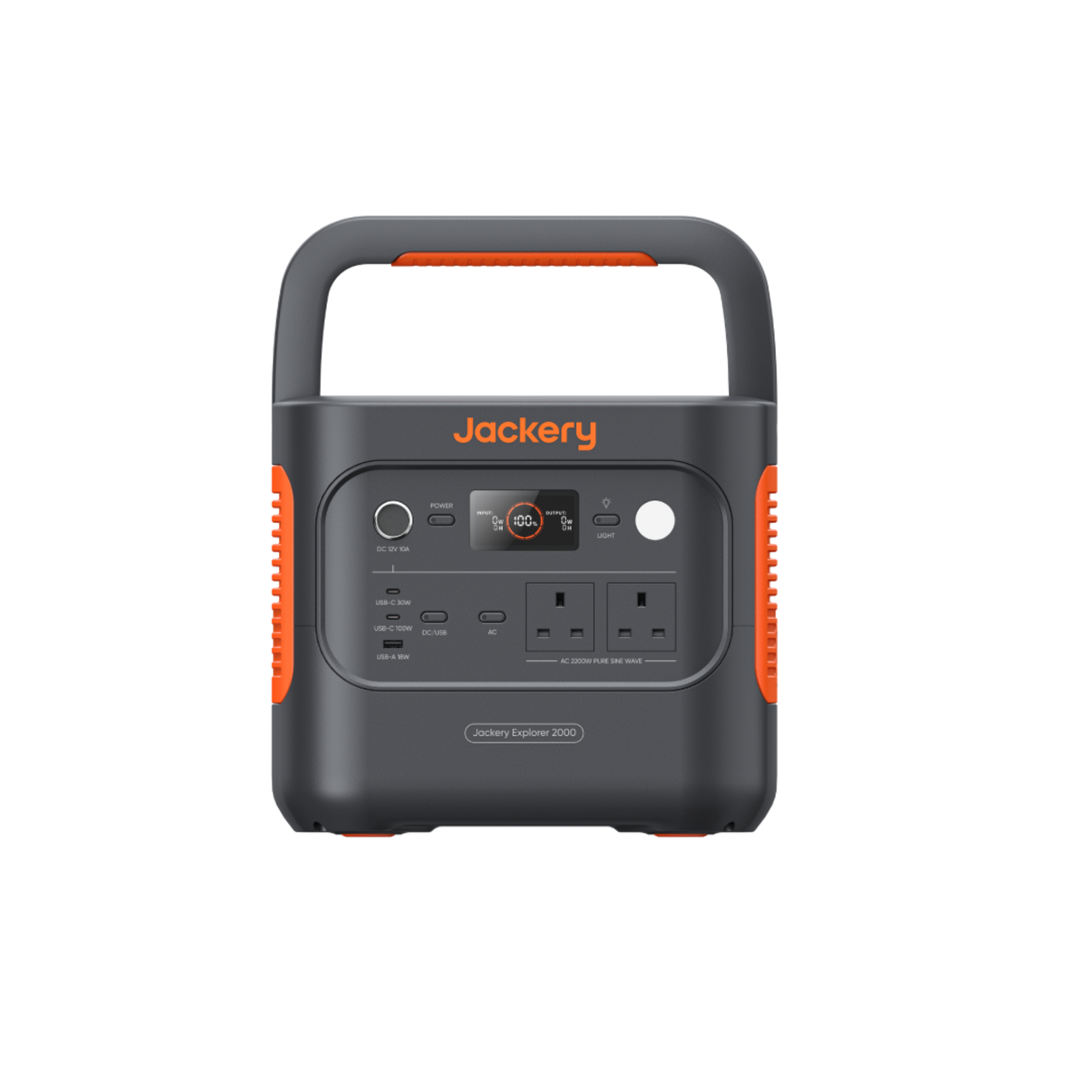
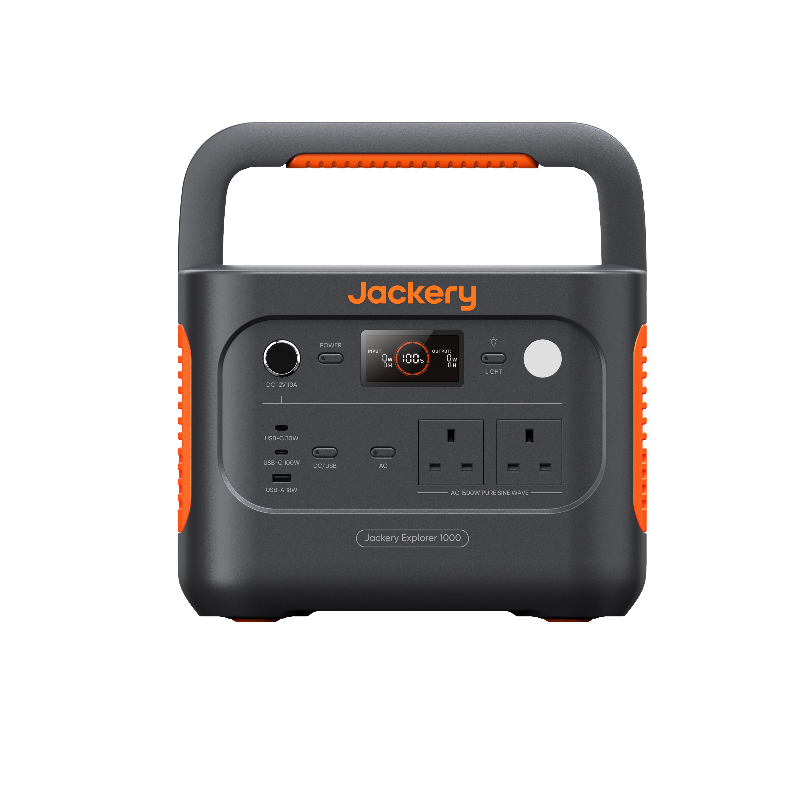
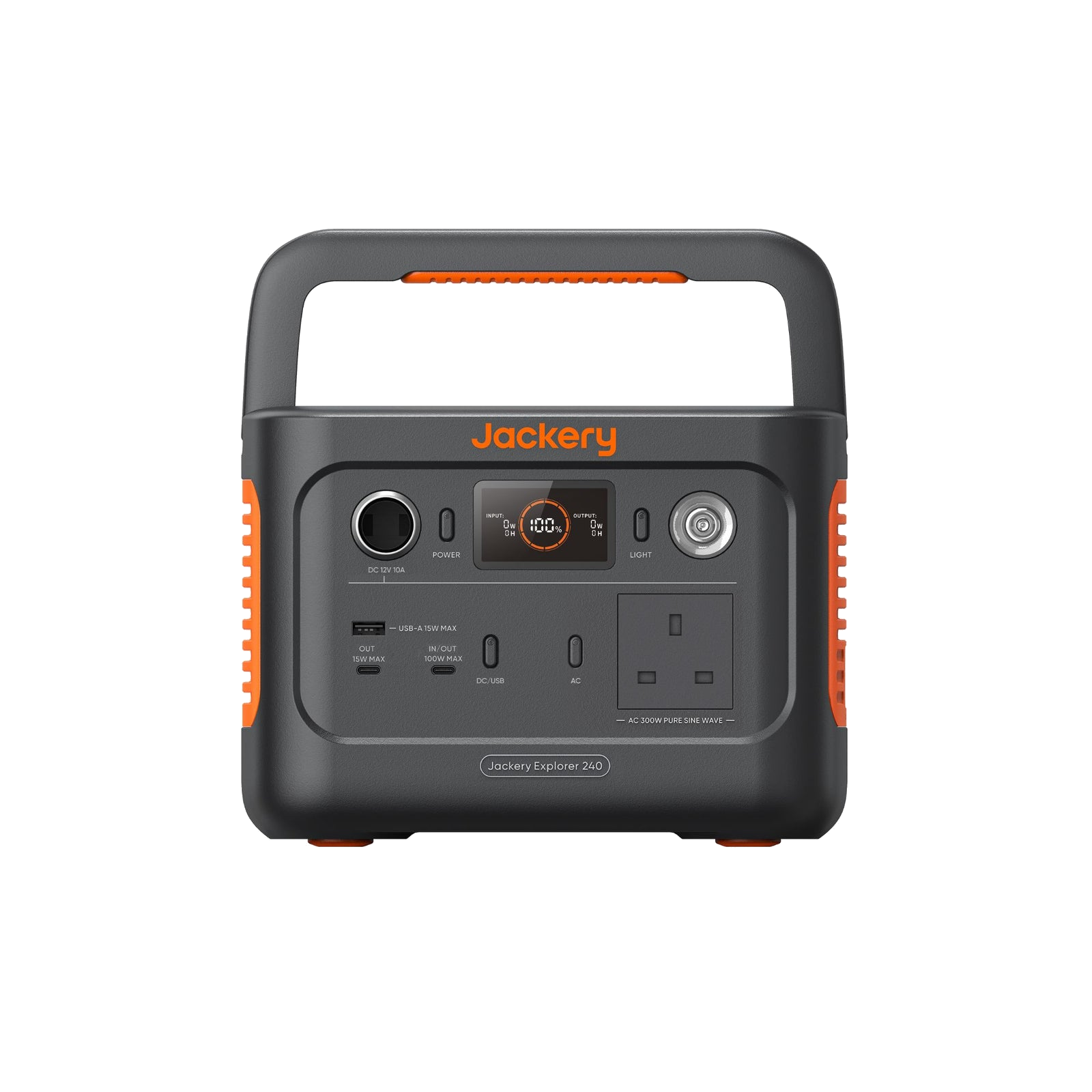
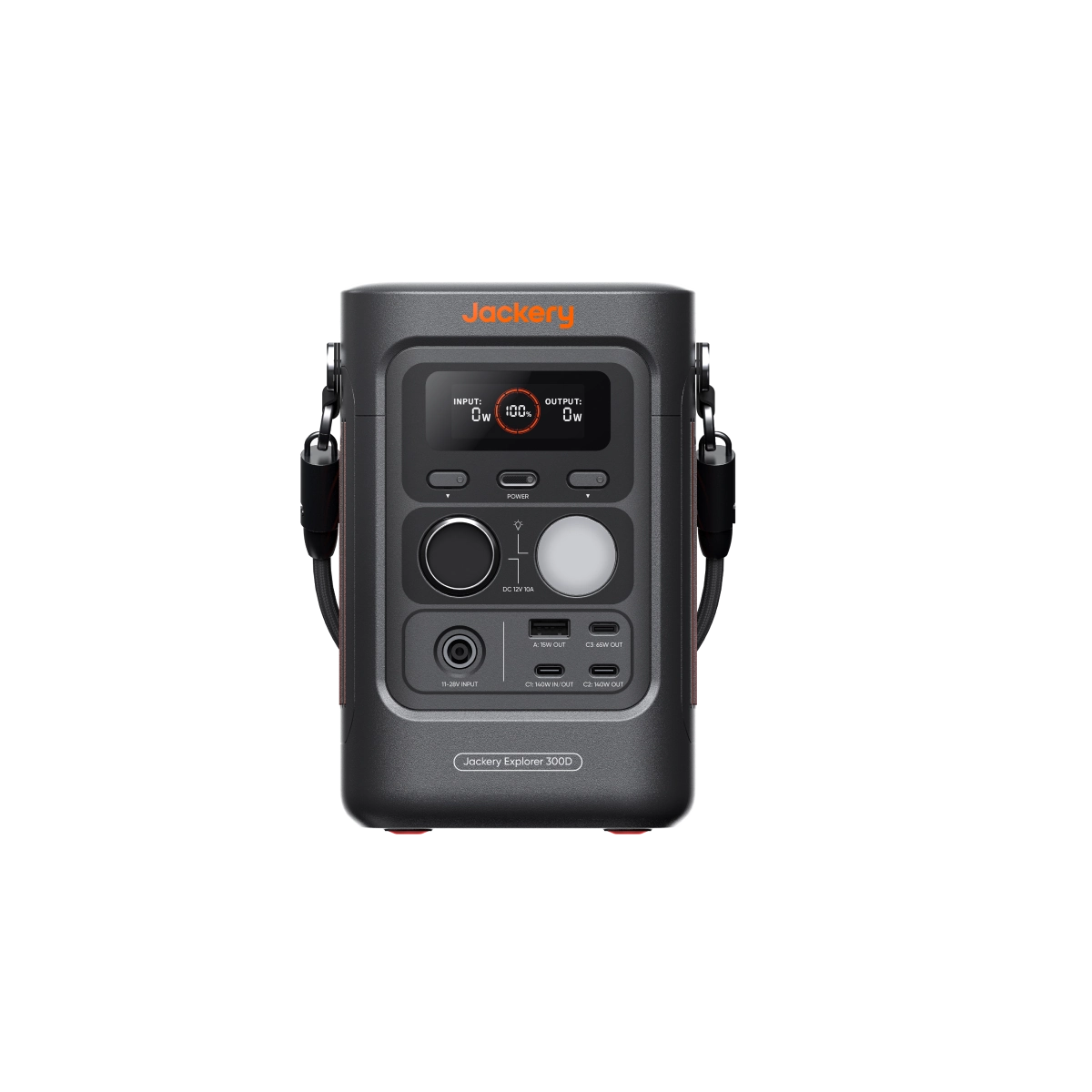
My current line-up is the Explorer 2000 v2, Explorer 1000 v2, Explorer 300D and Explorer 240 v2. Together they hold 3,656 Wh, but the useful trick is not taking all of them everywhere. Forge handles the serious demand, Kindle runs ordinary camp, and the two smaller units keep the camera and communications kit alive without dragging a suitcase to charge a phone.

Jackery Explorer 2000 v2, nicknamed Forge
Explorer 2000 v2
Forge
Capacity
2,042 Wh
Output
2,200 W AC

Cooking · Torque · festivals · backup

Jackery Explorer 1000 v2, nicknamed Kindle
Explorer 1000 v2
Kindle
Capacity
1,070 Wh
Output
1,500 W AC

Fridge · projector · editing · everyday camp

Jackery Explorer 300D, nicknamed The Scout
Explorer 300D
The Scout
Capacity
288 Wh
Output
300 W DC / USB

Drones · laptop · phones · cameras

Jackery Explorer 240 v2, nicknamed Pocket Sarge
Explorer 240 v2
Pocket Sarge
Capacity
256 Wh
Output
300 W AC

Day trips · lights · router · small mains kit

Watch // Real-world power tests

The power locker in motion.

Four useful tests covering the large, middleweight and compact options. The important question is never merely “will it switch on?”—it is whether the weight, capacity and outputs suit the way Vanilla is actually used.

Explorer 2000 v2 in campervan use

A practical look at the 2 kWh model doing real campervan jobs rather than sitting politely beside its box.

Explorer 1000 v2 after three months

Longer-term performance, rapid charging, solar input and the everyday reality of the useful middleweight.

Explorer 300D compact power test

A close look at the Scout’s USB-first approach and where a silent, lightweight DC station earns its place.

Explorer 240 v2 full test

Pocket Sarge’s proper mains socket, modest 300 W limit and the small jobs it can sensibly cover.

Read the complete Nix National Grid story Explore Vanilla's NIX // SOLAR history
Road log // Epic trips so far

The miles that
made the story.

Some trips are weekends with a good view. Others redraw the map in my head. Vanilla has done both, carrying the comforts of home into unfamiliar places and turning the road between destinations into the best part of the tale.

Expedition 001May–June 2026

The European Drift // 12 countries

No rush. No straight line. No regrets.

The European Drift was the journey that proved exactly what Vanilla was built for: twelve countries, an ever-changing horizon and the freedom to let a promising road alter the plan. From England and France, the route rolled through Switzerland and Italy towards Slovenia, Croatia and Bosnia, before looping north through Austria, Germany, Czechia, the Netherlands and Belgium.

There were city chapters in Bruges, Deventer, Hannover, Wolfsburg, Munich and Cheb; mountain roads that made progress feel beside the point; and Adriatic days when blue water and warm evening light demanded one more stop. Vanilla was transport, kitchen, bedroom, charging station and front-row seat throughout. It was not a dash across Europe. It was a drift—the long way round, on purpose.

12
Countries
01
Campervan
Useful detours
00
Boring chapters
The route // Countries visited

Stafford to Europe and home again—with the interesting bends left in.

  1. 01England
  2. 02France
  3. 03Switzerland
  4. 04Italy
  5. 05Slovenia
  6. 06Croatia
  7. 07Bosnia
  8. 08Austria
  9. 09Germany
  10. 10Czechia
  11. 11Netherlands
  12. 12Belgium
More roads already written

Closer to home. Still properly epic.

01

Fort William · Loch Lomond

Scotland

Mountain weather, long Highland roads and lochs that make every lay-by look like a film location. Scotland gave Vanilla the grand-scale treatment and proved that the journey north is part of the adventure.

02

Atlantic light · coastal miles

Cornwall

A slower western rhythm: salt air, narrow roads, big skies and the sort of evening light that keeps the camera bag open. Cornwall is made for an unhurried campervan and a flexible plan.

03

Mountains · coast · hidden stops

North Wales

Dramatic roads, changing weather and huge scenery packed into a wonderfully compact map. North Wales delivered the bends, the views and plenty of reasons to stop before the intended destination.

01

The machine

A working van with a second life

Vanilla began as a 2022 Volkswagen Transporter T6.1 SWB Highline: the sensible, proven sort of van that has spent decades earning trust on British roads. Mine has the 110 bhp engine, a five-speed manual gearbox and none of the swagger of a supercar. That is exactly the point. A campervan should feel dependable at six in the morning with rain on the windscreen, not merely impressive beneath showroom lights. Vanilla settles into a journey, returns roughly 30 miles per gallon and carries an extraordinary amount of life inside a footprint that still fits on the drive.

The conversion gives that honest working-van foundation a completely different purpose. The rock-and-roll interior changes from travelling space to living room and then bedroom; the Skyline pop-top opens the roof and the sense of space; carefully used cupboards swallow cables, food, camera bags and the small mountain of kit that every supposedly simple weekend seems to require. It is compact enough to use without ceremony but capable enough to become home for days or weeks. There are larger motorhomes, certainly. Few feel this personal, this nimble or this ready to improvise.

Compact outside. Surprisingly complete inside.
02

The identity

Grey paint, orange punctuation

The Indium Grey bodywork is understated, almost businesslike, but Vanilla was never going to remain anonymous. Black details sharpen the shape and Nix orange appears like punctuation: not everywhere, never by accident, but enough to link the van to the drones, Torque and the whole Nix visual family. Even when the back doors are shut and the equipment is hidden, she still looks like the same character who appears throughout this site—calm, practical and just a little mischievous.

The name matters too. Calling her Vanilla is a joke with a useful twist. From a distance she may look like a straightforward grey Transporter, yet open the door and she is anything but plain. She is camera store, kitchen, charging station, cinema, shelter, bedroom, route-planning office and mobile grandstand. Machines earn names when they become part of the stories rather than merely the way of reaching them. Vanilla has earned hers many times over, from quick local escapes to long European miles.

Understated is not the same as ordinary.
03

The power room

Making a quiet pitch properly useful

Off-grid camping sounds romantic until the camera batteries are empty, the phone is fading and tomorrow’s route is trapped inside a powerless screen. Vanilla’s electrical system turns that problem into part of the fun. A 110 Ah AGM leisure battery sits at the centre, supported while driving by a Victron Orion Smart 30 A DC-to-DC charger. A Victron SmartShunt shows what is really happening rather than relying on guesswork, while a SmartSolar MPPT 75/15 draws useful energy from the solar setup. There is a 60 W panel on the roof for steady background work and a 160 W portable panel that can be aimed towards the best light when camp becomes a longer stay.

The Sargent EC155 manages the familiar campervan services, and the Jackery power stations add a second, movable layer of electricity. That matters because Nix trips are not low-tech retreats. They involve drone packs, controllers, action cameras, phones, lights, a MacBook, 5G equipment and sometimes an induction hob. Power has to be available without turning the van into a humming laboratory. The aim is not to carry electricity for its own sake; it is to make the beautiful no-hook-up pitch as practical as the convenient one with a socket. Solar quietly earns tomorrow’s flight while today’s footage is copied, checked and enjoyed.

The best pitch does not always come with a plug.
04

The flight deck

Headquarters when the weather turns

For Nix Drones, Vanilla is the point where enthusiasm becomes an organised flight. Nemesis, Zoom, Sneaker and Twitch can travel protected from the loose, wet and muddy world outside. Batteries and controllers have known places. Cameras can be prepared without balancing them on a gatepost. Maps, airspace, wind, nearby people, roads and wildlife can be considered while warm and dry, and a promising launch can be rejected without the pressure that comes from already standing in the rain. Good aerial work often begins long before the propellers move.

After landing, the same cabin becomes a review room. Memory cards are checked, batteries are rotated, flight notes are made and the strongest clips can be backed up before the next location. The DJI Action 4, Canon EOS 70D, phone and Ray-Ban Meta glasses bring in the ground-level parts of the story, so there is usually more media than one aircraft alone could create. Vanilla holds that little production together. If rain arrives sideways, the day does not simply end; the kettle goes on, the forecast is reconsidered and the plan changes. That is a far better definition of mobile operations than covering the van in serious-looking stickers.

Launch site, edit suite and tea room—often within ten minutes.
05

The living space

Small comforts, big difference

Adventure is easier to repeat when it does not require suffering. Vanilla carries a 50-litre compressor fridge, a CAN hob and sink, a Porta Potti 335 and Webasto diesel heating. Those are not glamorous items on a specification sheet, but together they change a cold lay-by morning, wet campsite evening or late festival return into something civilised. Breakfast can happen before the first flight. A hot drink can follow a muddy ride. The fridge keeps proper food and, when the occasion calls for it, a sensible reserve of Rattler cold.

The entertainment setup is gloriously excessive for a short-wheelbase van. A Nebula Capsule 3 Laser projector, 50-inch screen, Fire TV and paired Sonos Roam speakers can turn the interior or awning into a travelling cinema. The ZTE 5G hotspot keeps maps, messages, weather and streaming alive when the signal allows. None of this is there to avoid the outdoors. It extends the day after darkness, rain or tired legs have called time. Vanilla can spend the afternoon as a flight base, the evening as a tiny cinema and the night as a warm bedroom, then be packed down for the road again in the morning.

A campervan should make rough weather interesting, not merely survivable.
06

The road

Festivals, Europe and the useful detour

Vanilla has carried the Nix story far beyond a single campsite. She has handled British weekends, CamperJam, Dubbed Out and simple nights close to home when the need to get away mattered more than the mileage. Tackeroo on Cannock Chase is a perfect example: close enough to be easy, wild enough to reset the week, and positioned for drones, walks and a Torque ride towards The Horns. The journey does not need to cross a border to count. Sometimes five miles from the front door is exactly far enough.

Then there are the larger maps. Scotland, Cornwall, North Wales and a twelve-country European drift have turned Vanilla into a moving line through landscapes, ferry terminals, old cities, mountain roads and pitches found late in the day. She makes detours affordable because the essentials travel with her. A viewpoint can become lunch; a quiet stop can become the night; a change in weather can redraw the route without ruining it. Traditional touring freedom and modern technology meet in the same small cabin: paper-map instinct backed by live navigation, solar charging, 5G and a weather forecast that is occasionally listened to.

The road is not dead time. It is the chapter between places.
07

The trail link

When Vanilla carries Torque

The detachable towbar and Towzer, the Thule bike rack, let Vanilla add another layer to the expedition. Torque rides outside; the living space stays usable; and a trailhead that would be awkward from home becomes tomorrow morning’s starting point. This combination changes the scale of an eMTB weekend. Vanilla covers the motorway and carries food, dry clothes, tools and charging power. Torque takes over where the road becomes track, reaching woodland, viewpoints, pubs and camera positions that would be less rewarding on foot.

Together they create a neat Nix sequence. Vanilla reaches the landscape. Torque gets inside it. The drones rise above it. The finished story can move from road-level arrival to handlebar-height action and then to the wide aerial reveal that explains where everything fits. None of the machines replaces the others; each expands the next one. It is a practical system, but also a wonderfully elaborate excuse to explore somewhere new. North Wales, Scotland and eventually Scandinavia all become more interesting when the van is basecamp, the bike is local transport and the sky is part of the camera kit.

Road. Trail. Sky. One expedition, three viewpoints.
08

The real purpose

Freedom with cupboards

Vanilla is not a luxury hotel squeezed into a parking space, and she does not need to be. There are compromises: every object must earn its cupboard, every bed conversion involves a small ritual and every new gadget begins a negotiation with the available space. That discipline is part of the charm. The van rewards preparation without demanding a rigid plan. Fill the water, charge the systems, load the right bags and the front door can lead to a completely different morning.

More than any single specification, that readiness is what Vanilla contributes to Nix Drones. She turns ideas into departures. She makes it easier to wait for better light, stay for the sunset, wake near the trail and bring home enough material to tell the whole story properly. The technology will evolve, batteries will improve and the map will gain new marks, but the principle is pleasingly old-fashioned: carry what you need, look after your equipment, leave room for a brew and keep moving towards something worth seeing. Vanilla is the road-going heart of it all—not background transport, but a character with her own chapter and many miles still to write.

Ready beats perfect. The next road can supply the rest.
Vanilla on the open road beneath a Nix drone
Next departure // To be decided

The map is still mostly unwritten.
That is the best thing about a campervan. Tomorrow can begin with a careful plan—or a full tank, charged batteries and a road that looks interesting.

Continue to Torque
😂
Daily transmission

NIX JOKE OF THE DAY

My e-bike and I have a balanced relationship.

I choose the route. Torque chooses how smug we look on the climb.

🚁 SKY 🚐 ROAD 🚵 TRAILnixdrones.com — serious adventures, questionable humour.
Watch · read · wander

LATEST FROM
THE FIELD.

NIX · CONTACT

SEND A
MESSAGE.

Got a question about the drones, Vanilla, Torque or one of the adventures? Use the message box and it will be prepared safely for sending.

Your details will only be used to respond to your enquiry and will not be sold or shared for marketing purposes.

Protected by server-side bot filtering, submission throttling and private handling.