


VANILLA
The conversion, specification, equipment and changes made one useful upgrade at a time.

Loading forecast…
Full forecast →
THE TRAVELLING HEART OF NIX
ROAD is not simply a collection of destinations. It is the story of travelling slowly enough to notice the route between them: an unexpected coast road, a quiet overnight stop, a supermarket car park that saves the day or a view that makes the kettle seem suddenly urgent.
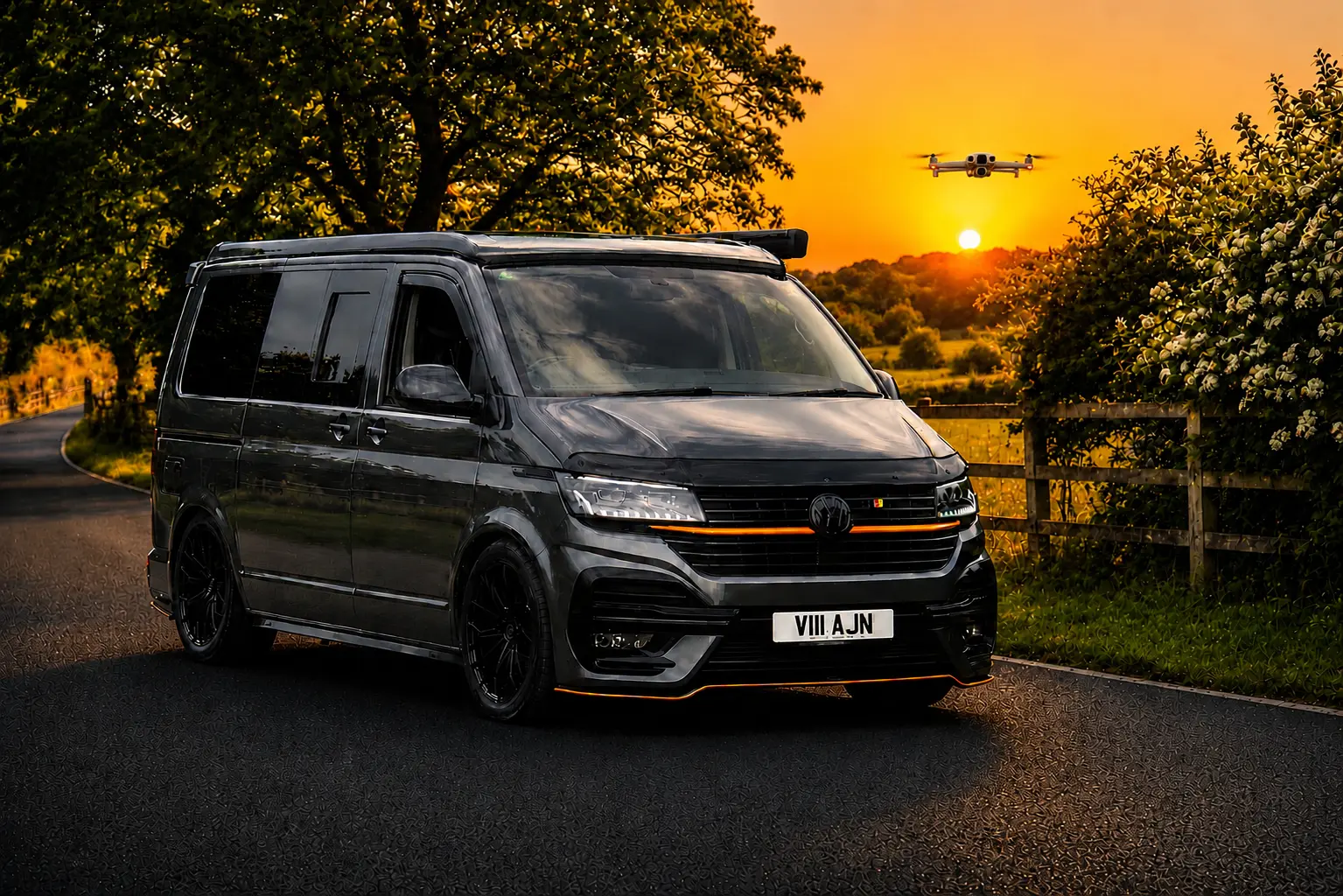
Vanilla makes that freedom practical. The bed, kitchen, heating, power and carefully chosen kit turn a short-wheelbase Transporter into a dependable little base camp. Every upgrade is judged by whether it makes the next journey easier, calmer or more enjoyable—not by how impressive it looks on a specification sheet.
The photographs and travel diaries preserve the ordinary parts as well as the landmarks. Weather, wrong turns, ferry queues and improvised meals belong beside the grand views, because those are the details that make a real road trip feel alive years later.
An interactive guide to the systems already fitted to Vanilla. This is a technical map—not a pretend live telemetry screen.

The fixed roof panel feeds the Victron SmartSolar MPPT. Portable solar can be positioned separately when camp and sunshine disagree about direction.
OPEN VANILLA LAB ↓Vanilla uses two electrical layers. The fixed campervan system quietly looks after the fridge, lights, water and heating controls. The portable Jackery fleet takes the hungry, movable or occasional loads. Keeping those jobs separate gives me more freedom and fewer flat-battery dramas.
The rule is simple: generate whenever the road, sun or hook-up allows; monitor what is really happening; then use the smallest sensible supply for the job. It is less National Grid, more well-organised engine room.
When Vanilla is moving, the Orion turns alternator output into a controlled charge for the leisure side. Road miles therefore do two jobs: reach the next pitch and put energy back into camp.
The roof panel quietly gathers whenever light is available. At camp, the portable panel can be aimed properly instead of accepting whichever direction the van happens to face.
Electric hook-up remains the simplest option when it is available: run mains equipment, manage the campervan services and leave with the batteries ready for another spell away from the orange bollard.
A 110 Ah AGM leisure battery sits at the centre. The Victron SmartShunt reports the state of play, the SmartSolar MPPT 75/15 gets the best useful charge from the panels, and the Sargent EC155 manages the familiar campervan services. No guessing by the brightness of a bulb required.
The 110 Ah AGM leisure battery is reserved for the equipment that belongs to the van: compressor fridge, lights, water services and the electrical side of the Webasto heater.
Phones, laptops, the 5G router, drone packs, controllers, Action 4 and smaller camera batteries are happiest on efficient USB or DC power whenever possible.
Forge and Kindle take the high-demand jobs: cooking, induction, the projector, awkward mains chargers and restoring useful range to Torque’s 600 Wh Bosch battery.
My current line-up is the Explorer 2000 v2, Explorer 1000 v2, Explorer 300D and Explorer 240 v2. Together they hold 3,656 Wh, but the useful trick is not taking all of them everywhere. Forge handles the serious demand, Kindle runs ordinary camp, and the two smaller units keep the camera and communications kit alive without dragging a suitcase to charge a phone.
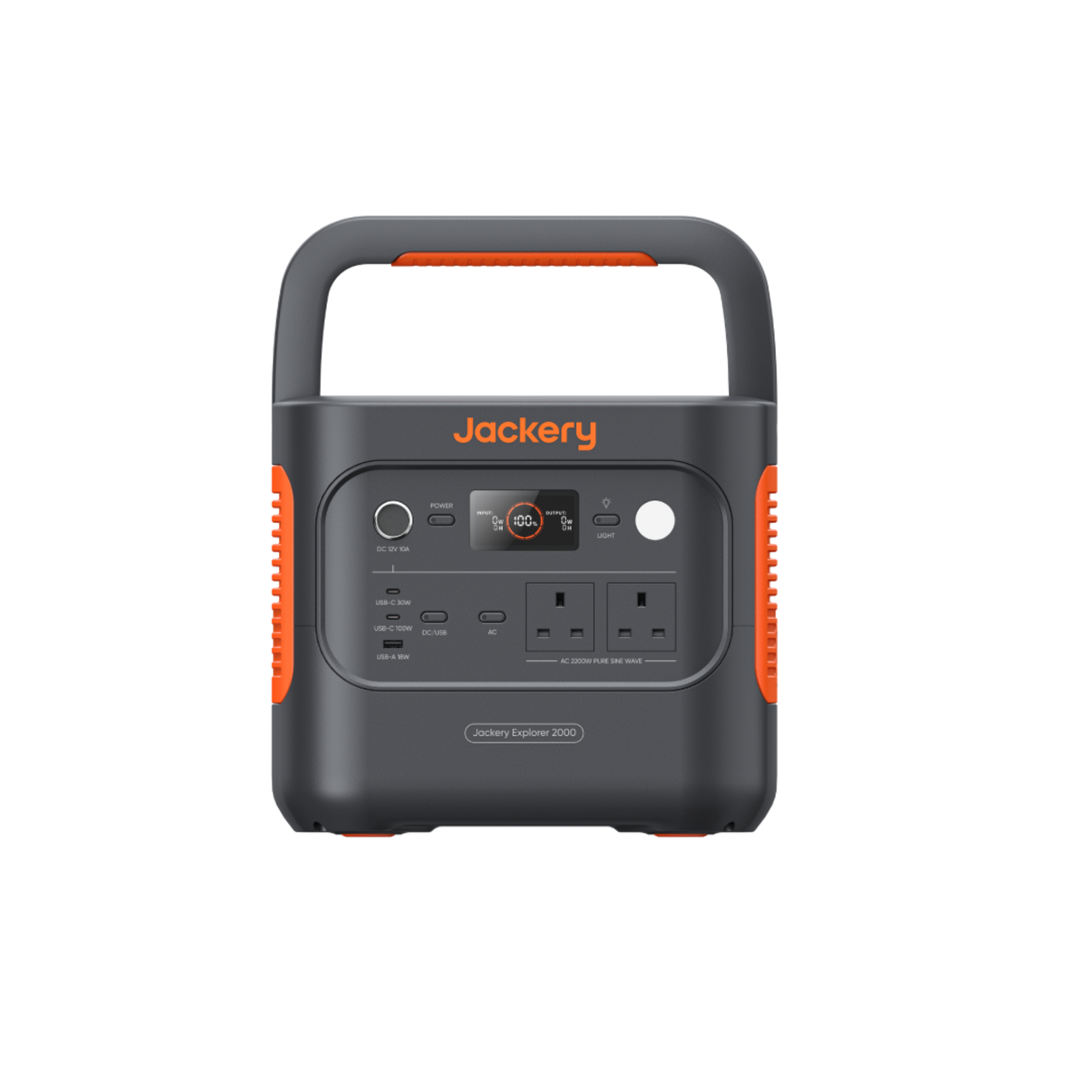
Cooking · Torque · festivals · backup
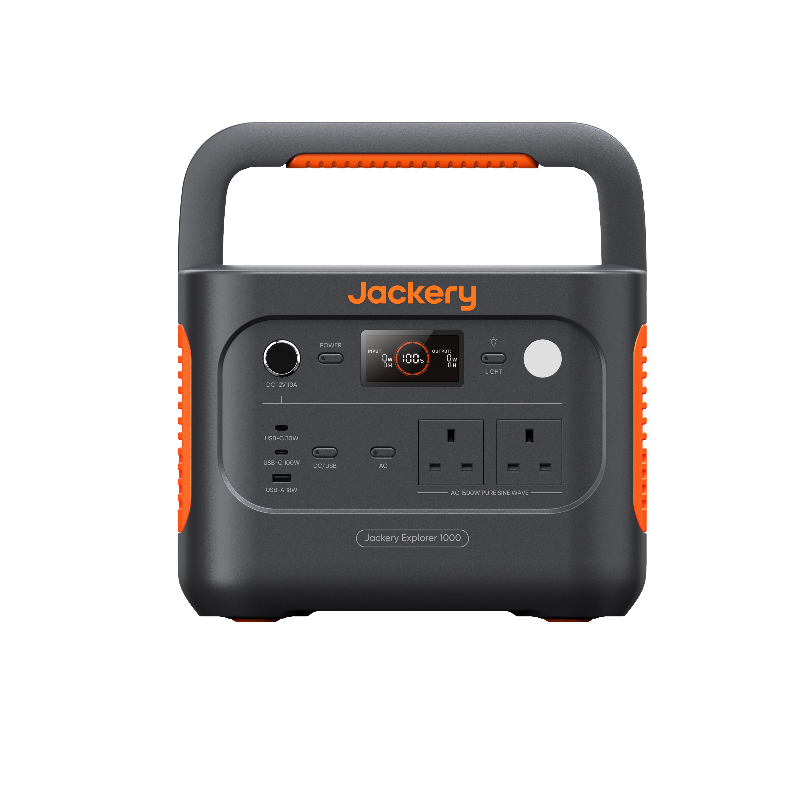
Fridge · projector · editing · everyday camp
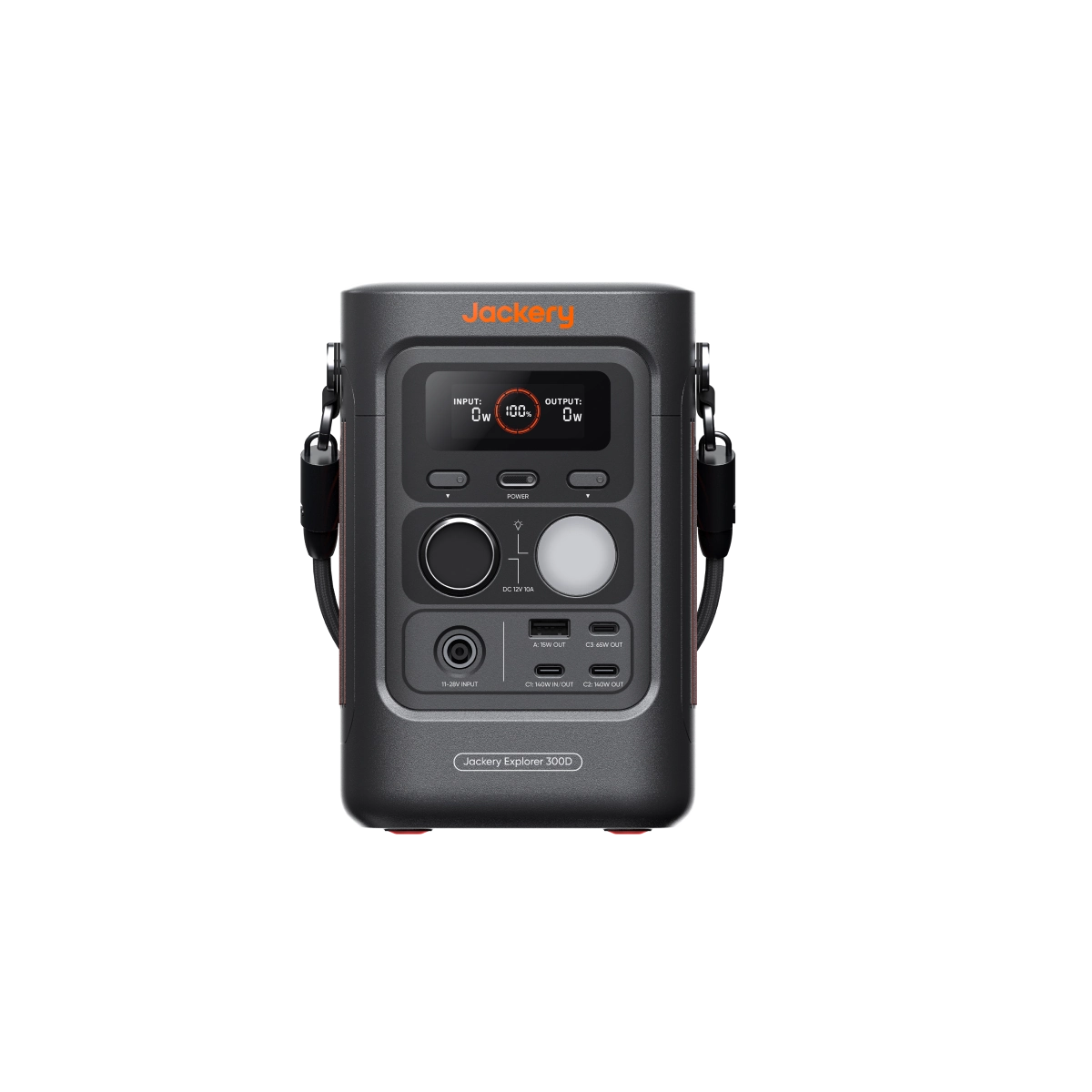
Drones · laptop · phones · cameras
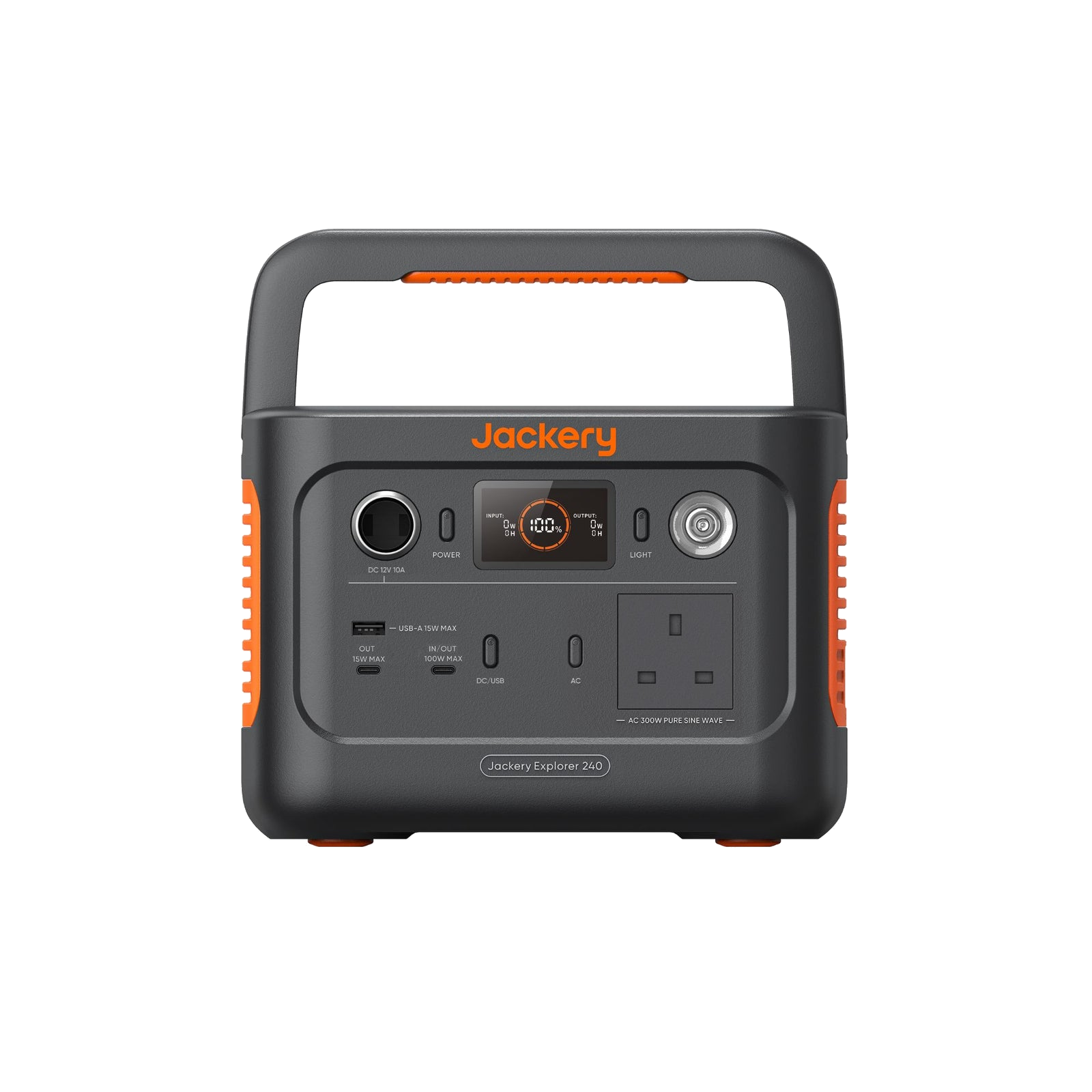
Day trips · lights · router · small mains kit
Four useful tests covering the large, middleweight and compact options. The important question is never merely “will it switch on?”—it is whether the weight, capacity and outputs suit the way Vanilla is actually used.
A practical look at the 2 kWh model doing real campervan jobs rather than sitting politely beside its box.
Longer-term performance, rapid charging, solar input and the everyday reality of the useful middleweight.
A close look at the Scout’s USB-first approach and where a silent, lightweight DC station earns its place.
Pocket Sarge’s proper mains socket, modest 300 W limit and the small jobs it can sensibly cover.
Accessible experiments from the real van: useful numbers, honest caveats and absolutely no pretending the fridge runs on optimism.
A real unplugged test of the leisure system.
READ THE TEST →EXPERIMENT 02The complete two-way NIX energy system.
READ THE TEST →EXPERIMENT 03Victron VRM and the next stage of monitoring.
READ THE TEST →EXPERIMENT 04How the Jackery fleet fits into campervan life.
READ THE TEST →ROAD tells the stories. NIX // ATLAS holds the complete geographical record behind them.